

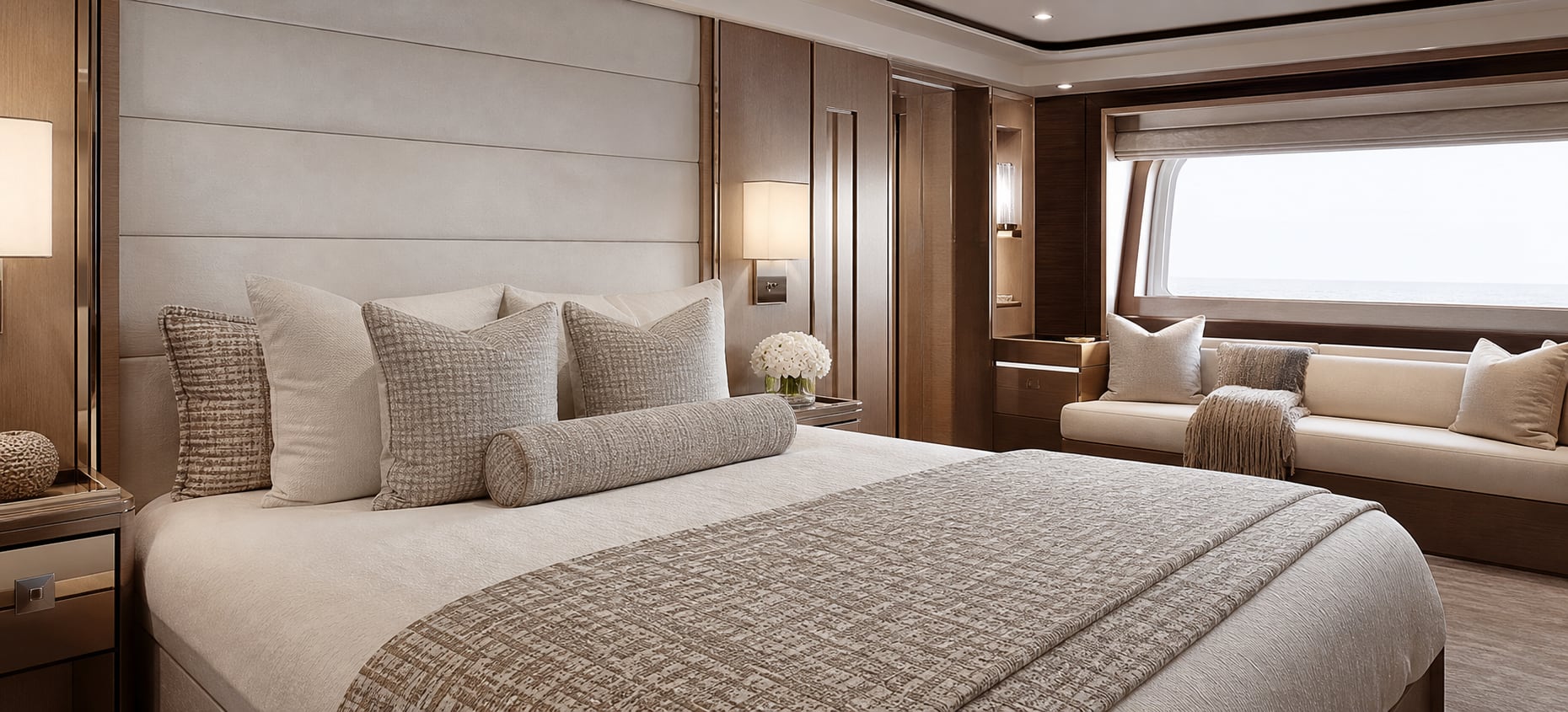
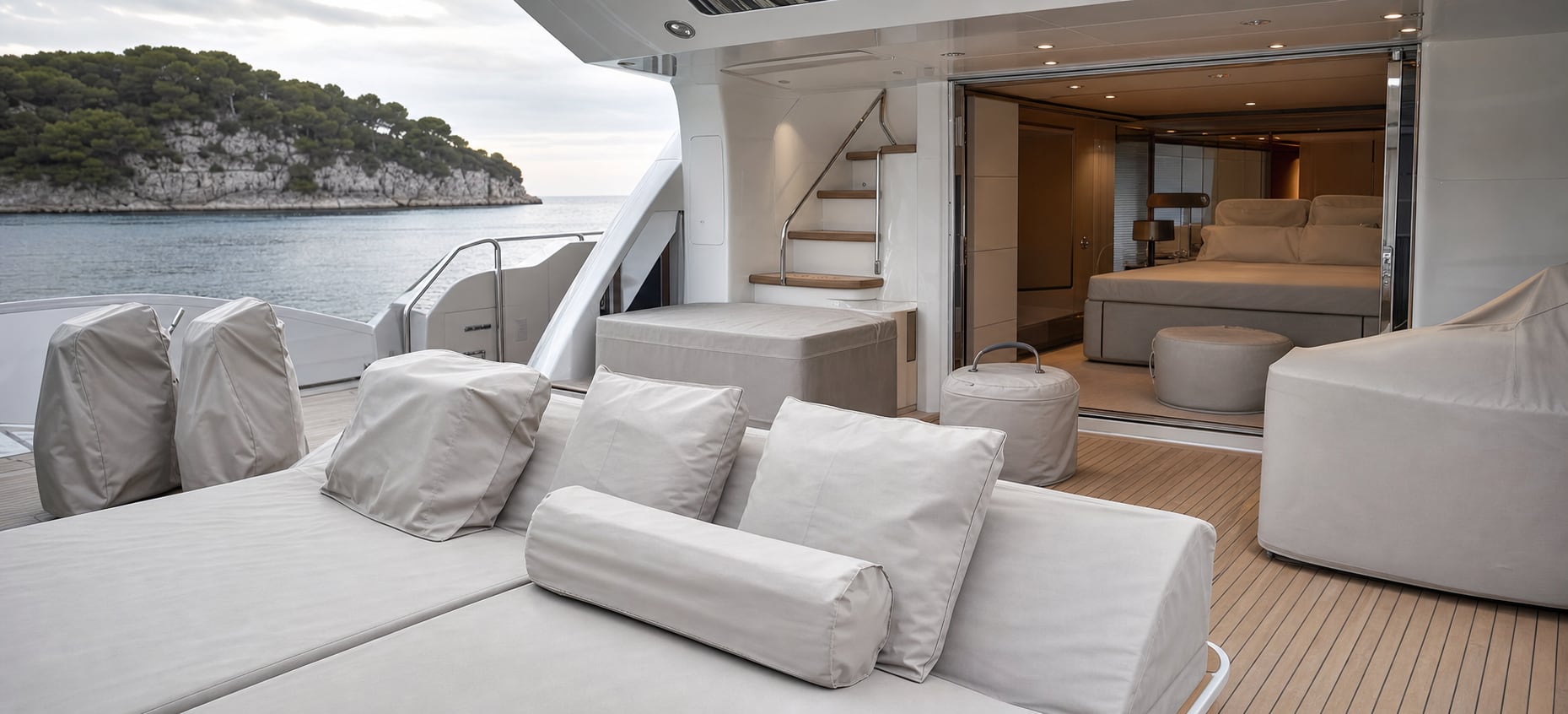
Begin with a product
Start from a defined Gencer product family or main product rather than an abstract custom request.
The Studio
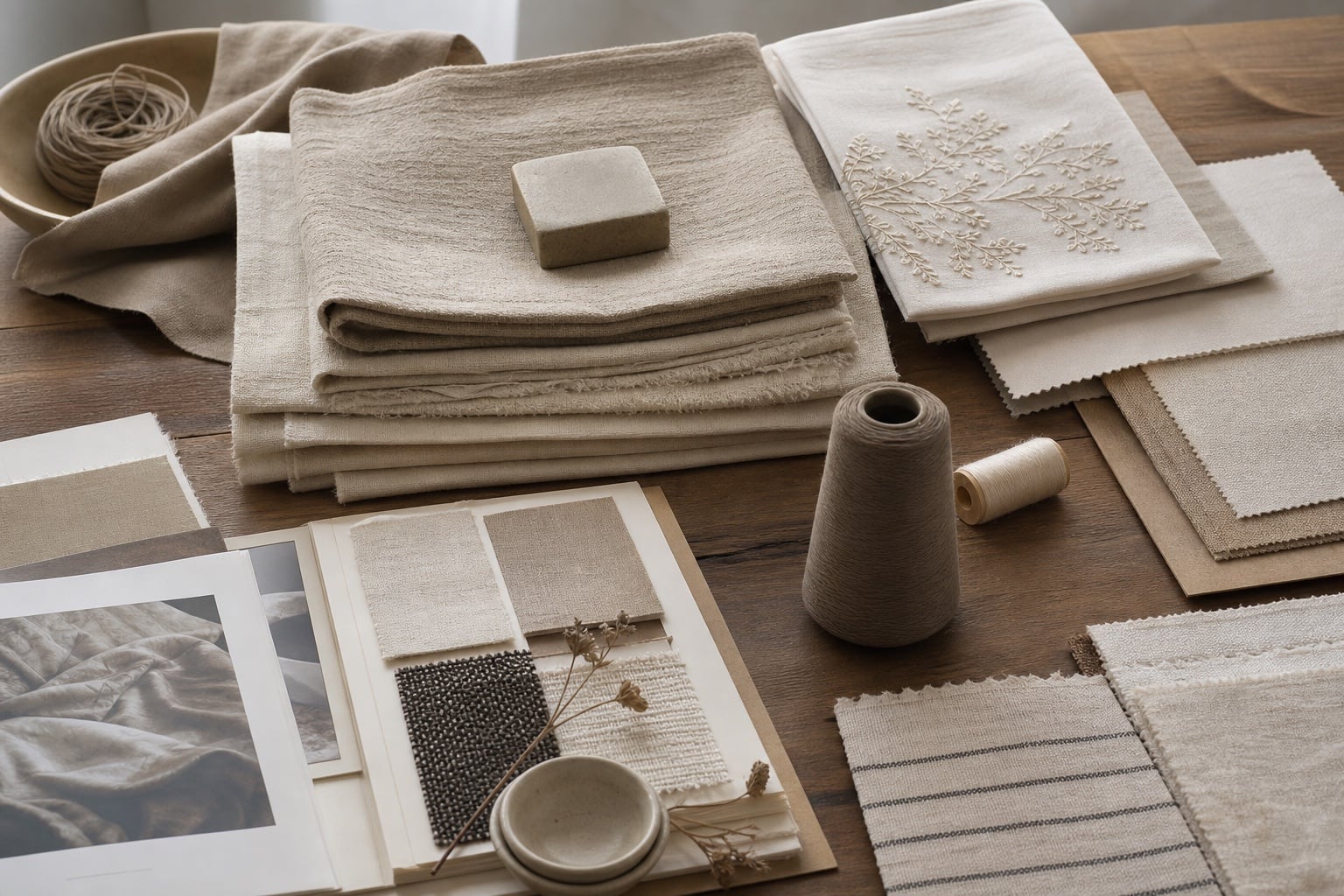
Gencer Studio adapts selected hospitality textile products around dimensions, materials, colour, embroidery, identity, preparation, and presentation—while keeping use, care, and future supply in view.
What Studio is
Studio is not a separate collection and it is not limited to fully bespoke projects. It is the part of Gencer that makes an existing hospitality textile direction more appropriate to a property, space, brand, or operating standard.
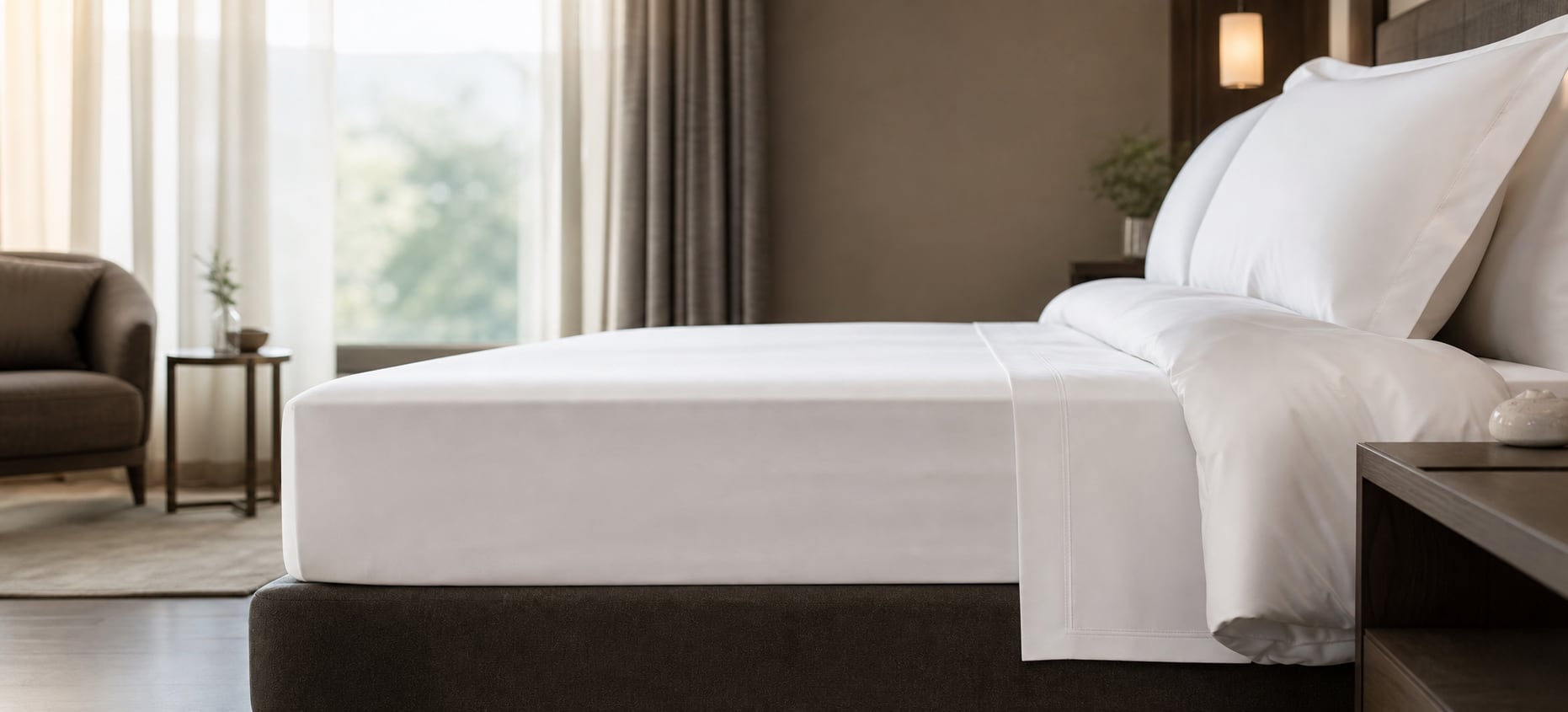
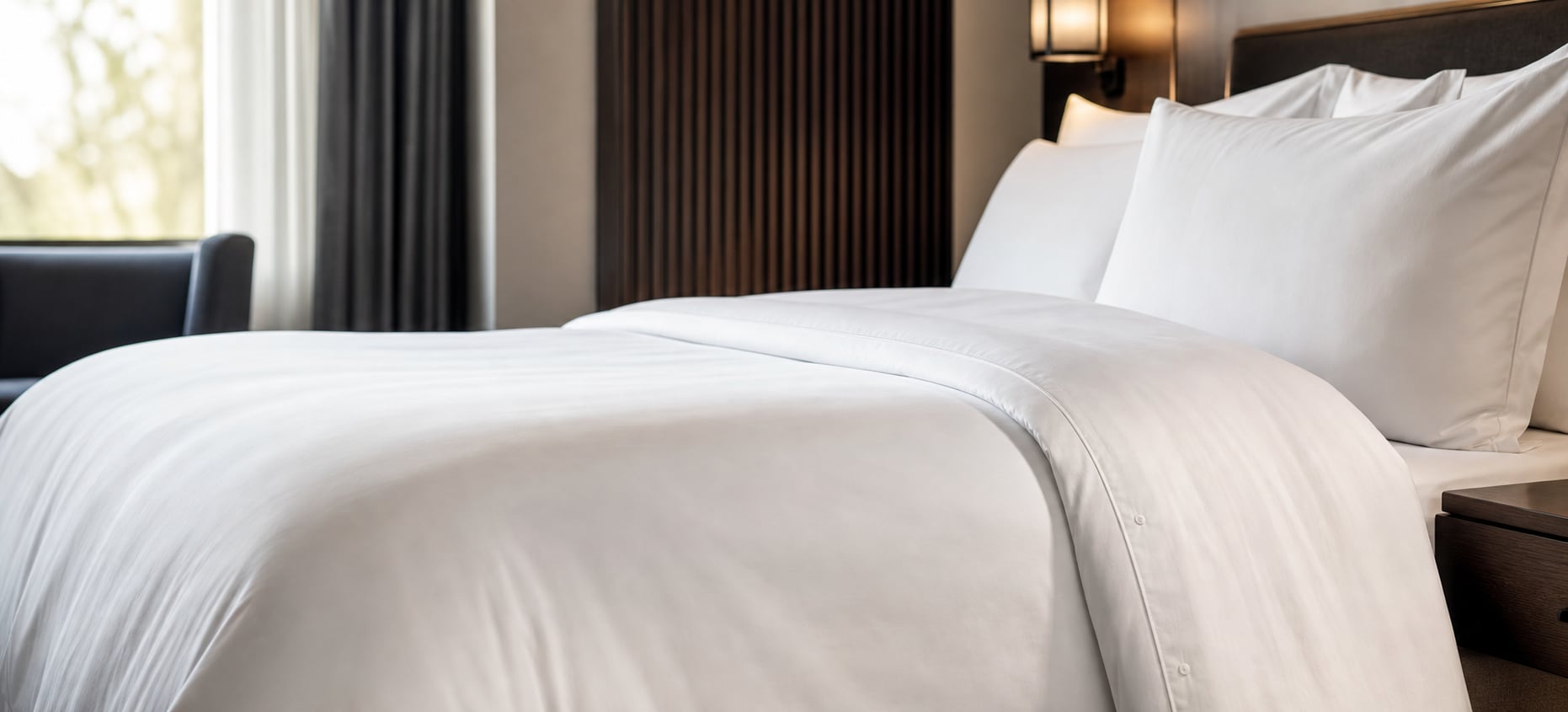
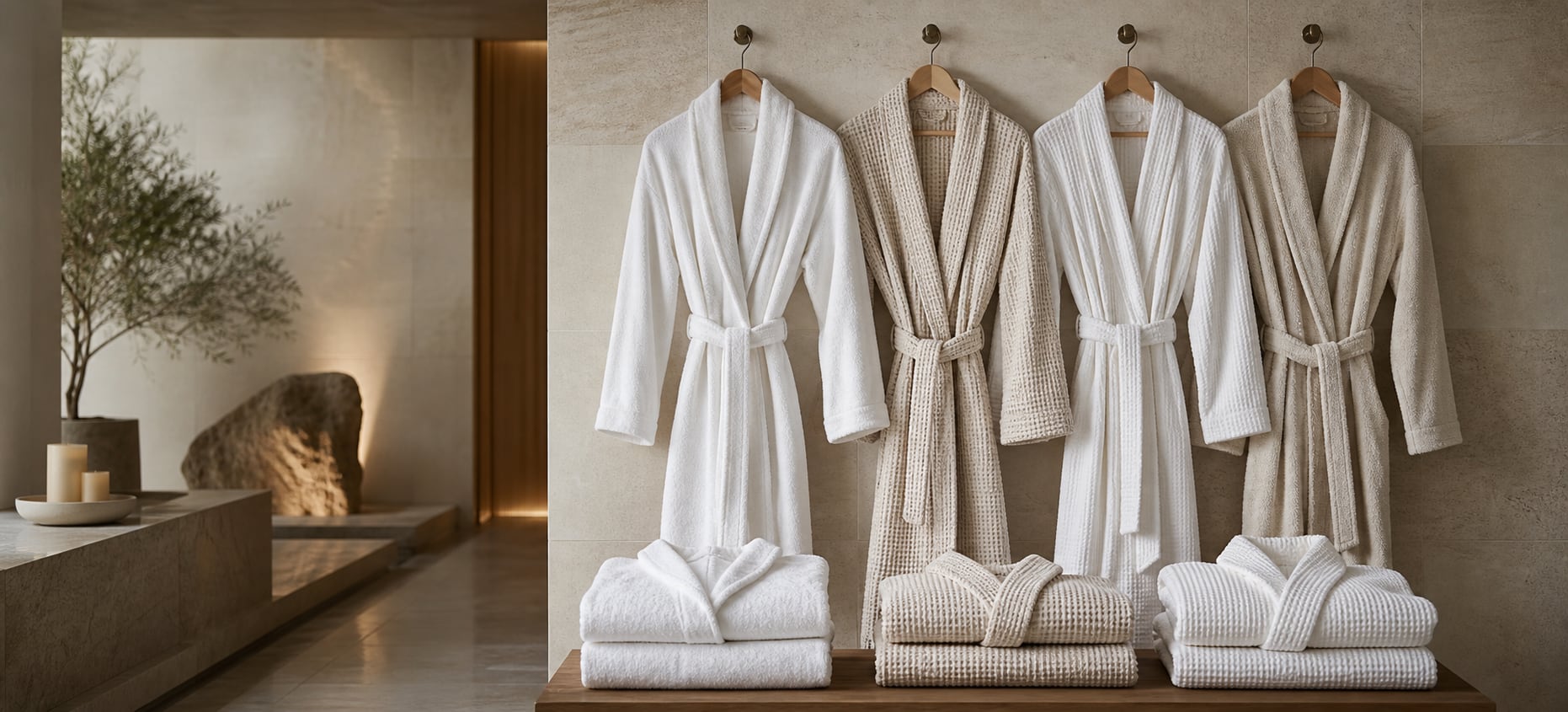
A project may begin with bed linen, towels, robes, table linen, wellness textiles, or products for life on board. Studio then focuses on the details that need to become more specific.
Start from a defined Gencer product family or main product rather than an abstract custom request.
Dimensions, construction, material, colour, embroidery, labels, sets, and presentation may be considered according to the project.
Approved details can support rollout, additions, replacements, and future requirements.
Studio capabilities
The exact Studio direction depends on the product and project. The aim is not to add custom detail for its own sake, but to make the textile more appropriate to the setting, identity, operation, and future requirements.
The specification begins with how the product will be used. Dimensions, construction, material, fit, and finishing may be reviewed where a standard direction does not fully suit the project.
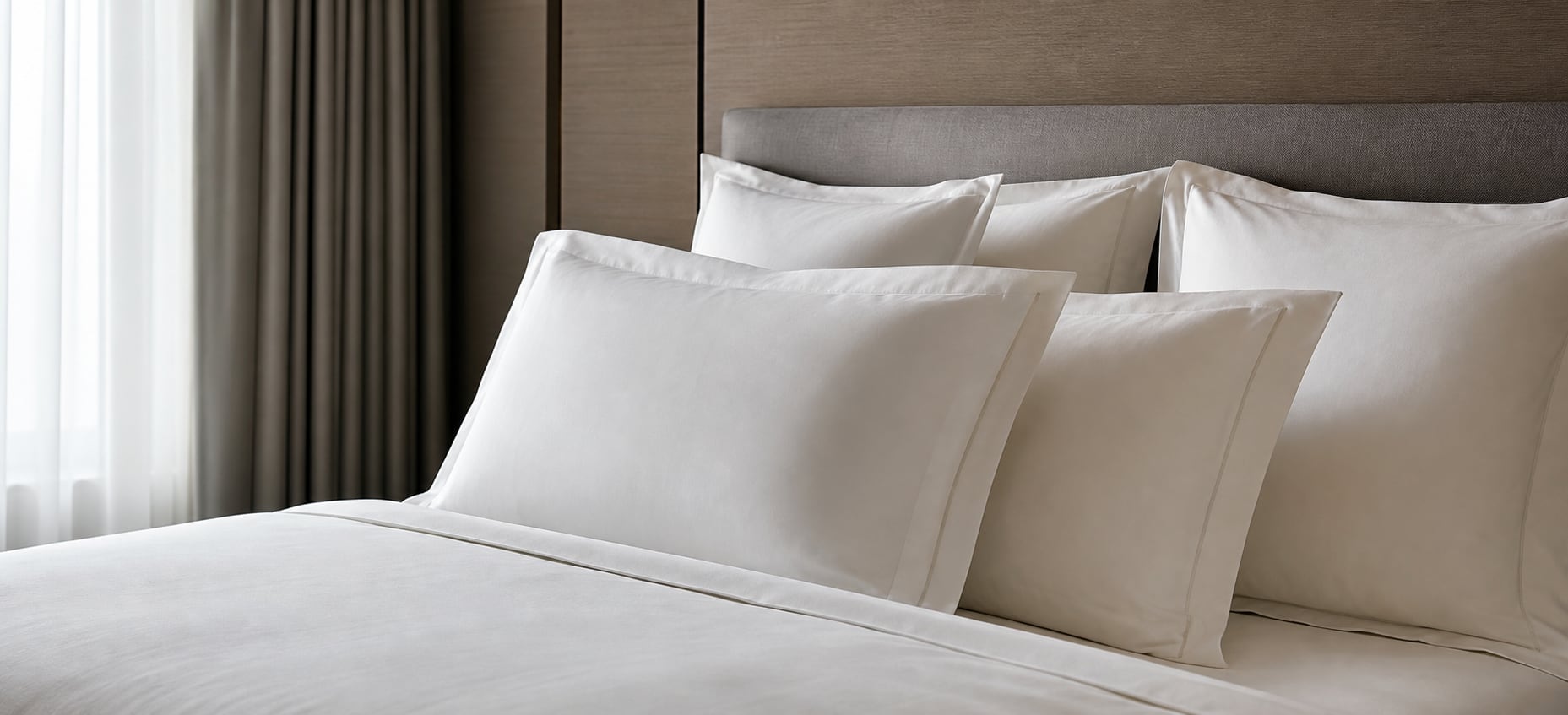
Identity can be expressed quietly through thread, placement, colour, borders, labels, and selected product details rather than through excessive branding.
Selected products may be organised around the way the project operates: by room, table, treatment area, cabin, property, or service requirement.
The project should remain understandable after the first delivery. Recorded details can support future additions, replacements, and related requirements.
Have a requirement that needs a more specific direction? Discuss a Studio Requirement
Studio across hospitality
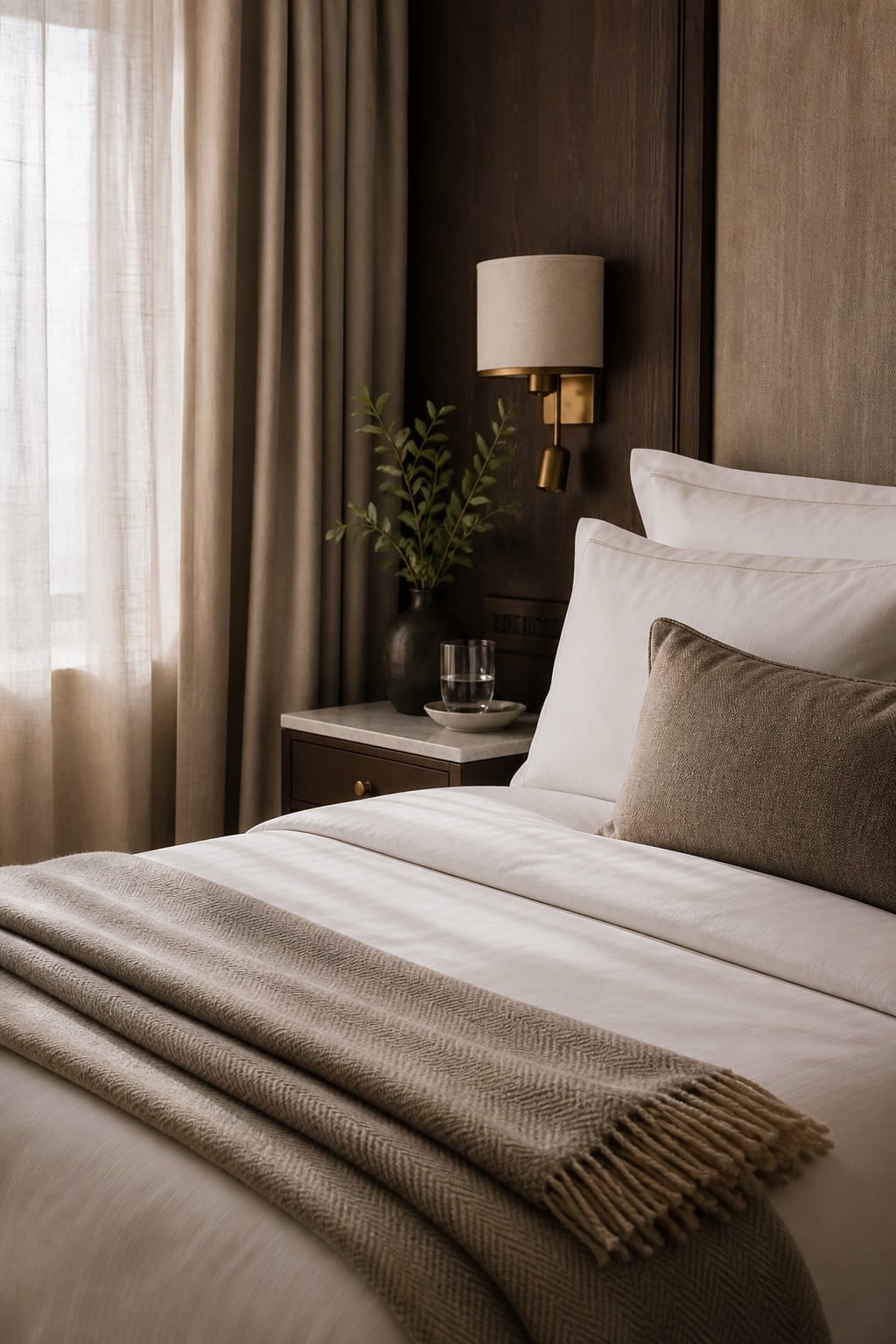
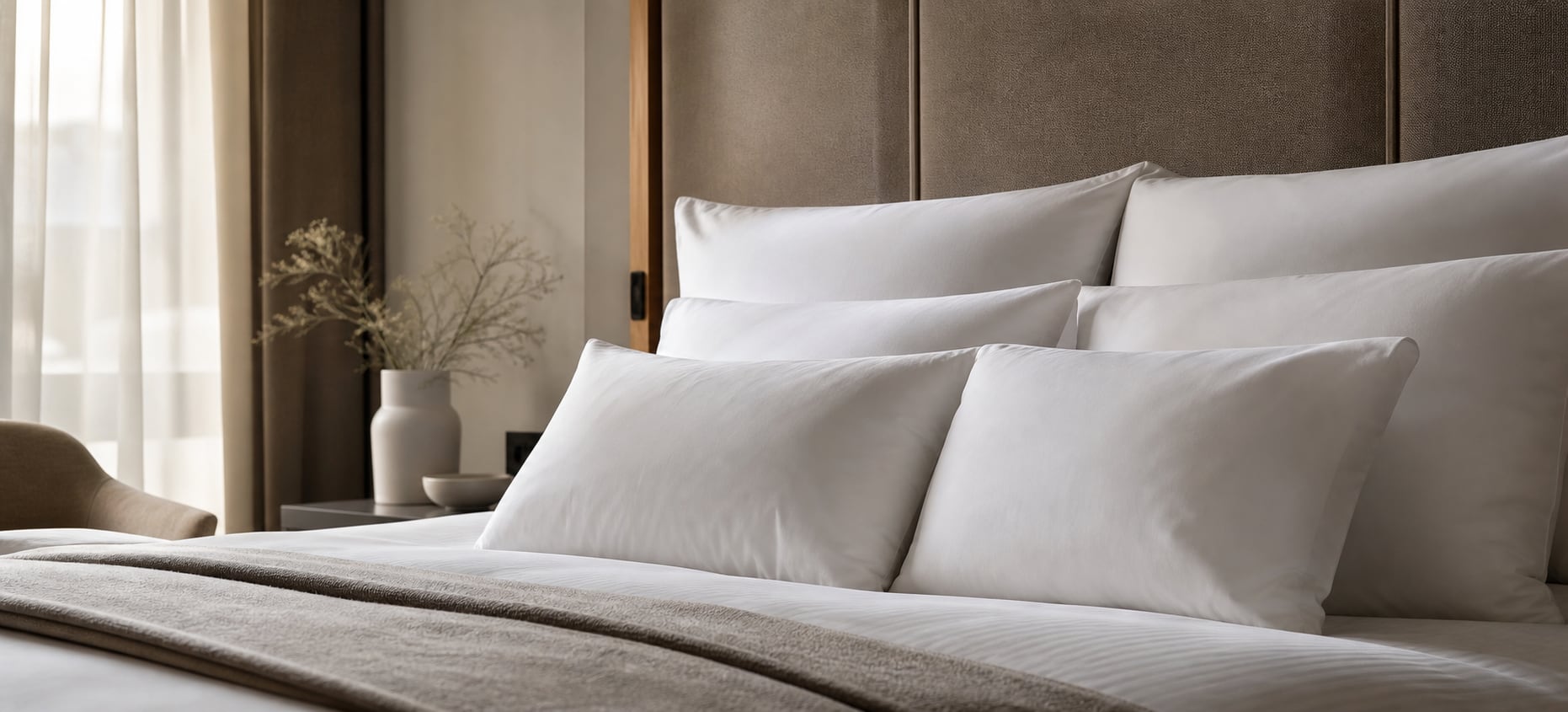
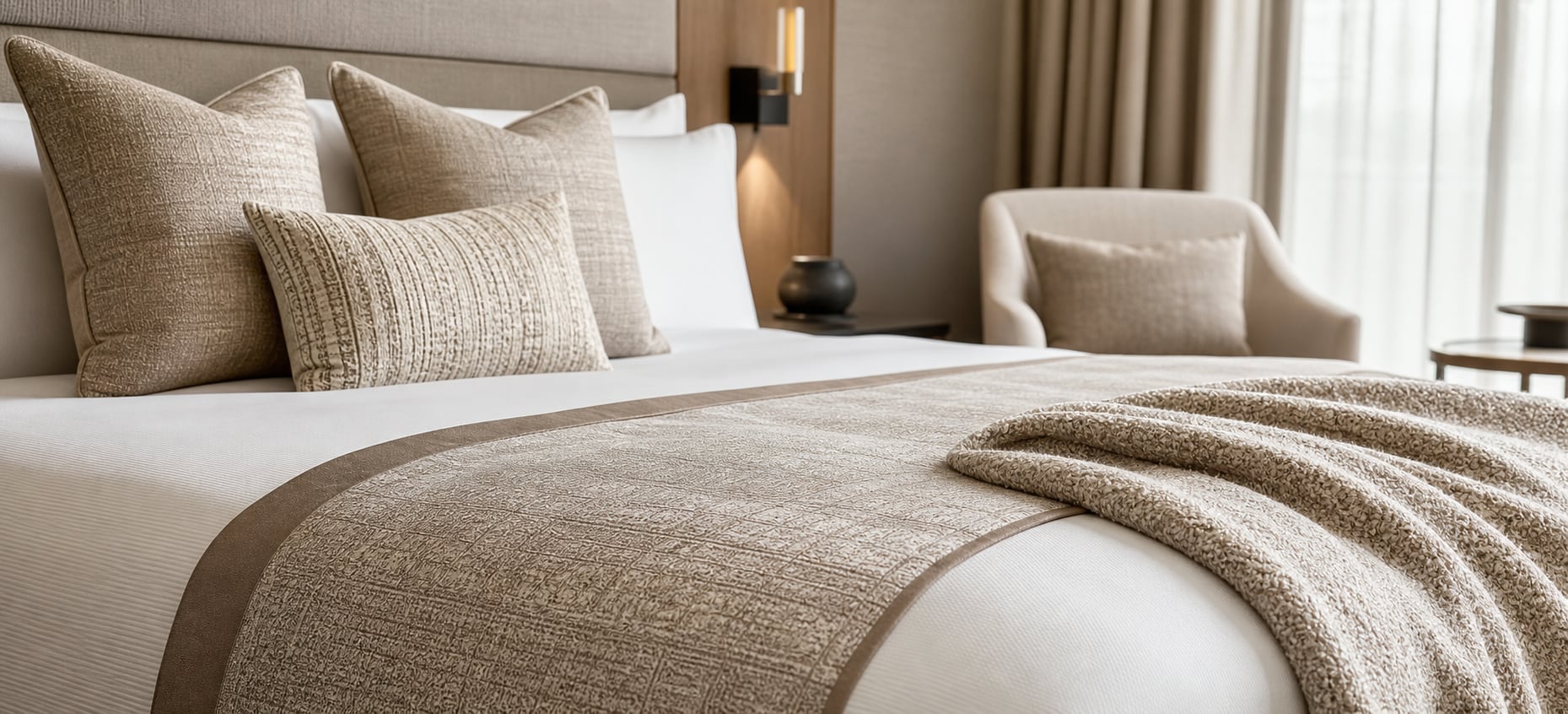
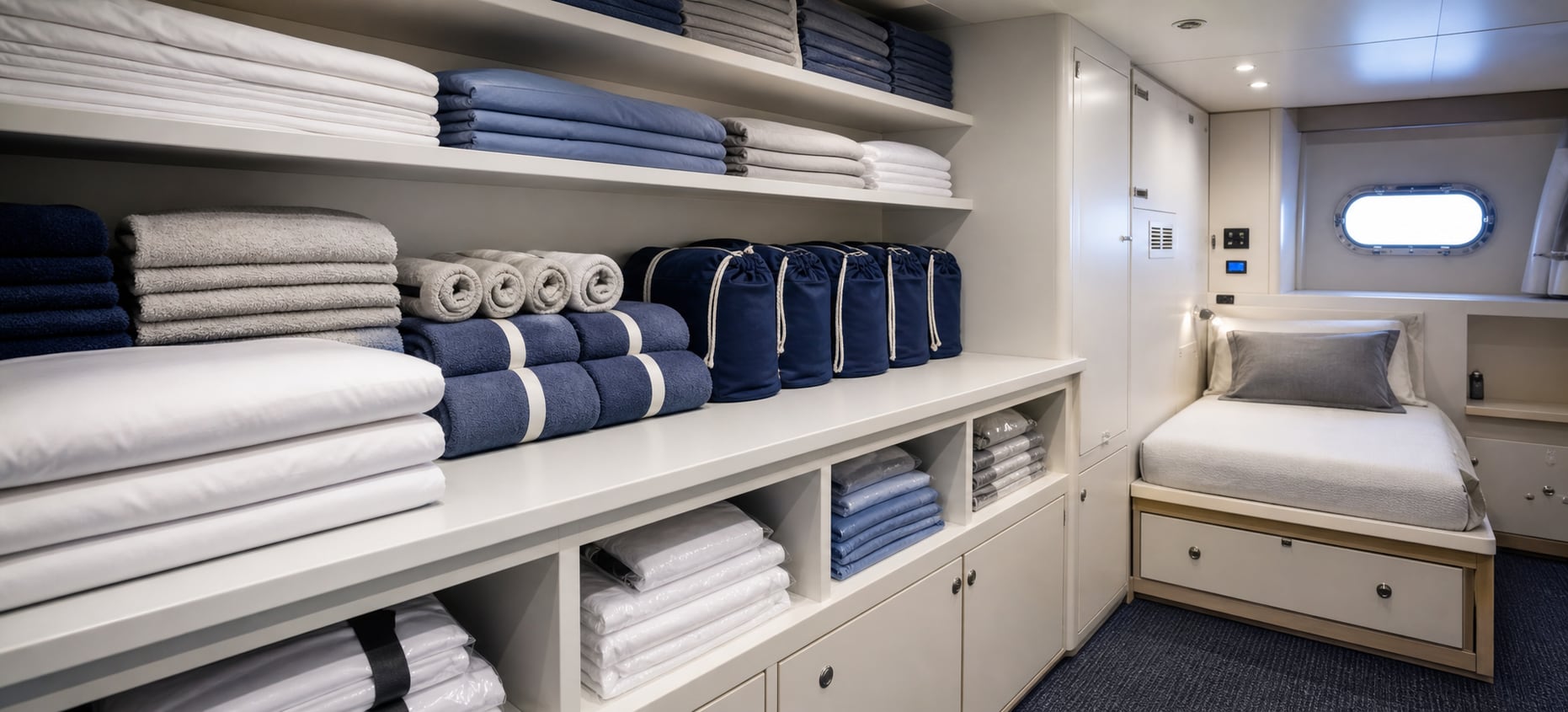
Custom bed dimensions, embroidery, room-set preparation, differentiated room standards, bathroom programs, decorative details, labels, and property-specific presentation.
Discuss Stay Customisation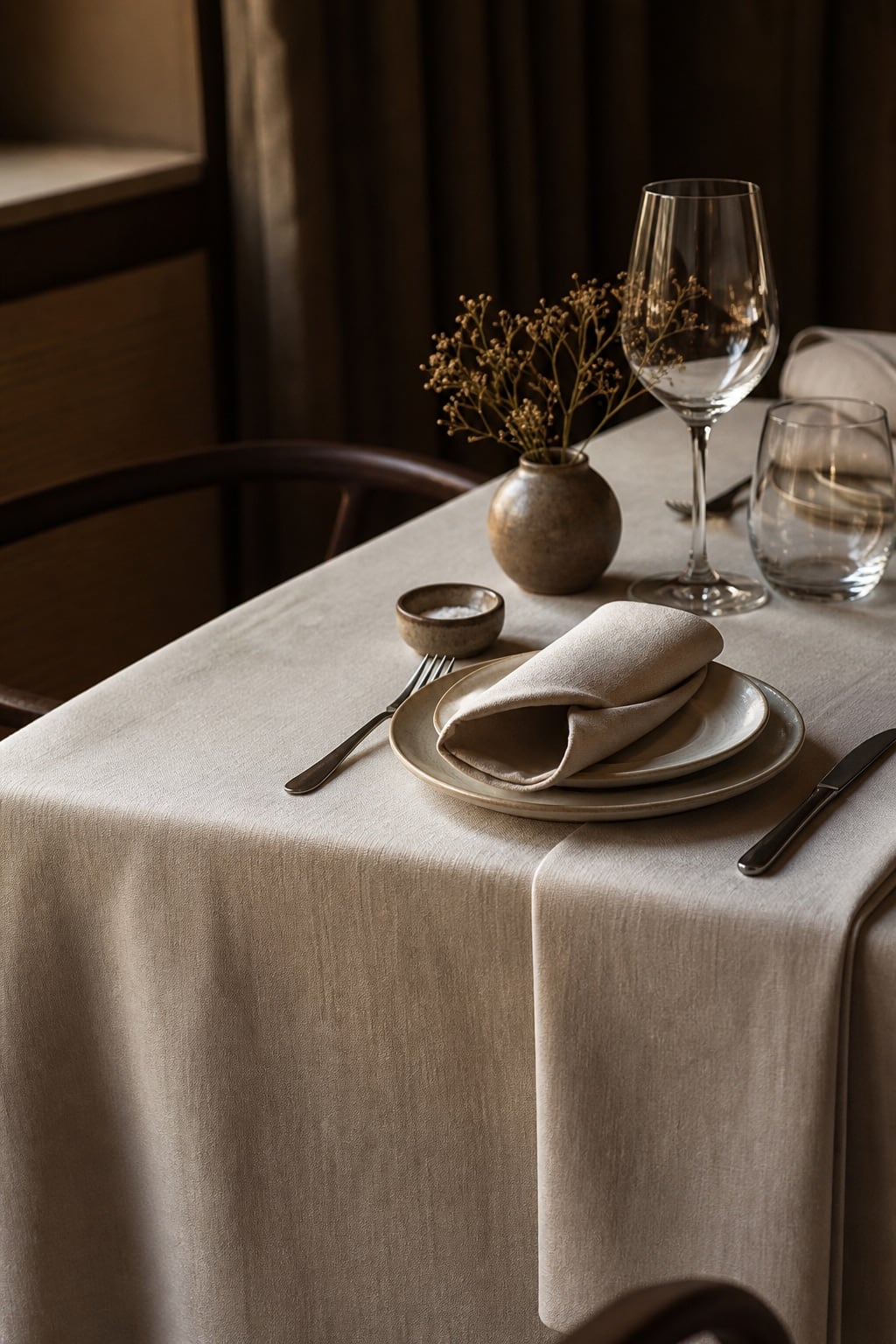
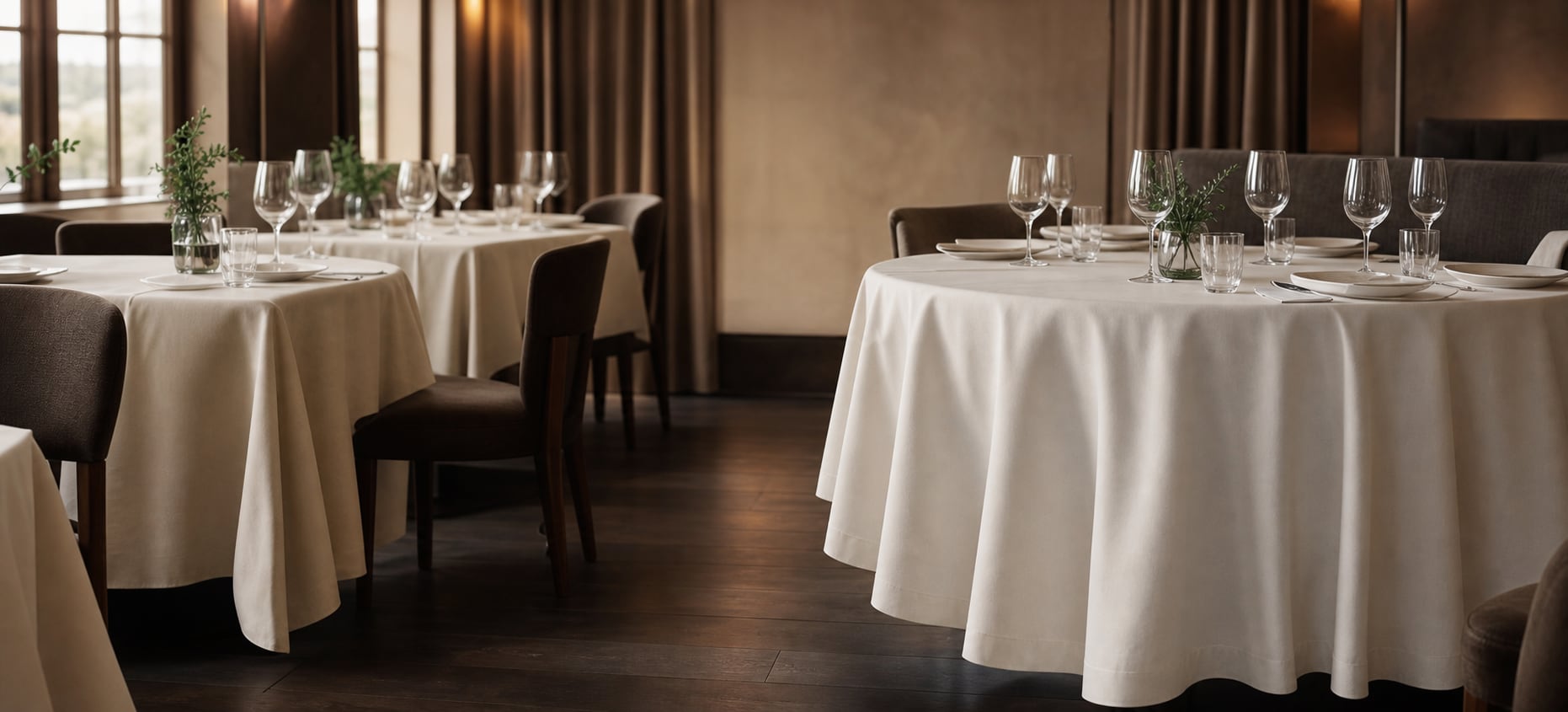
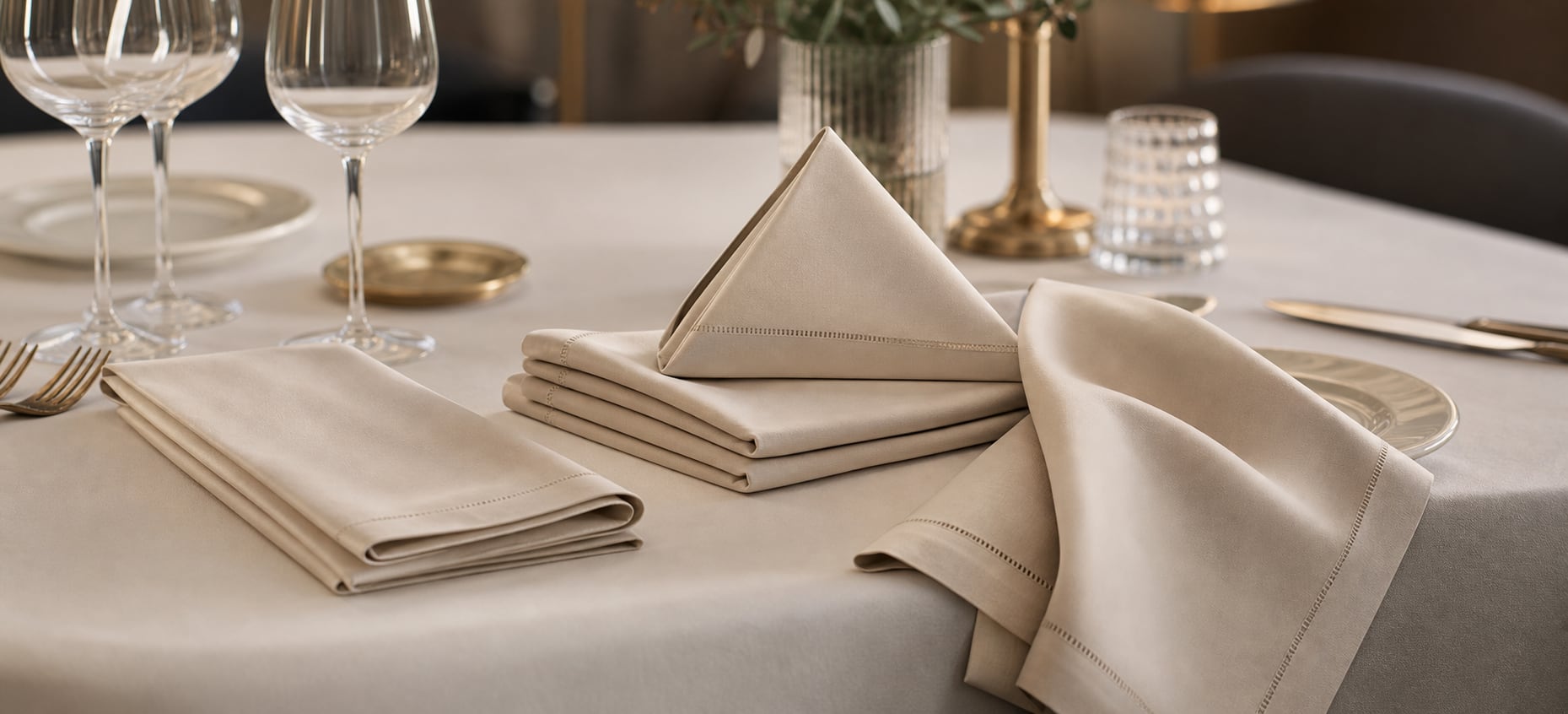
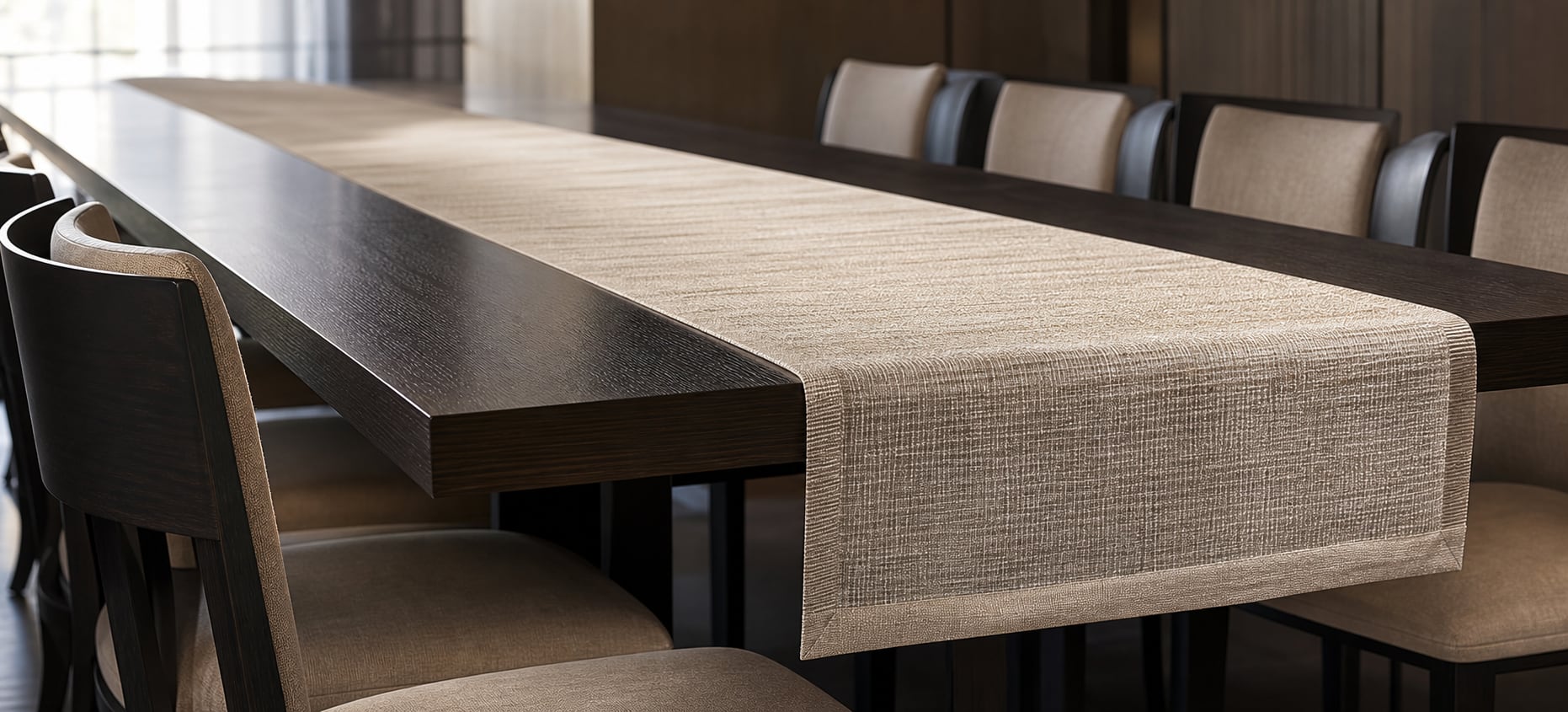
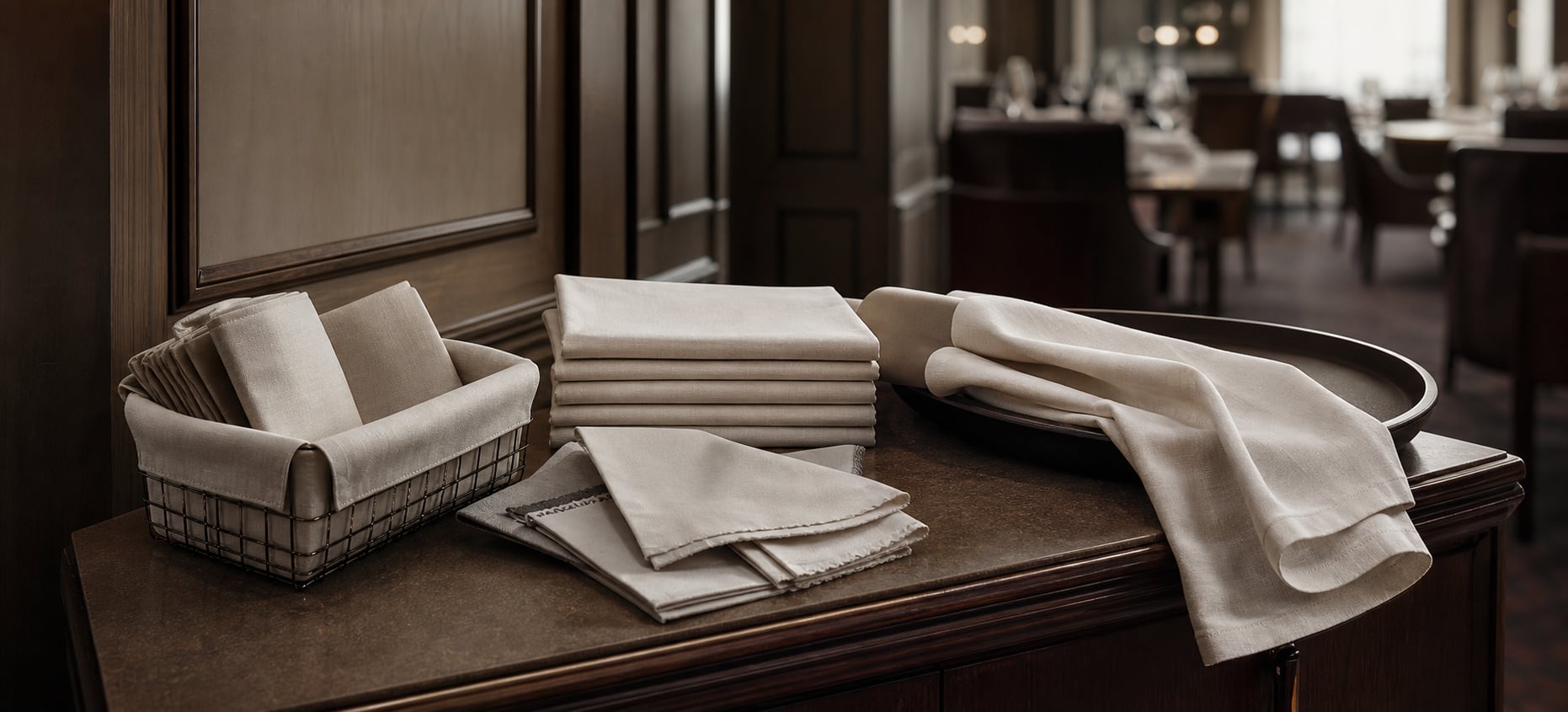
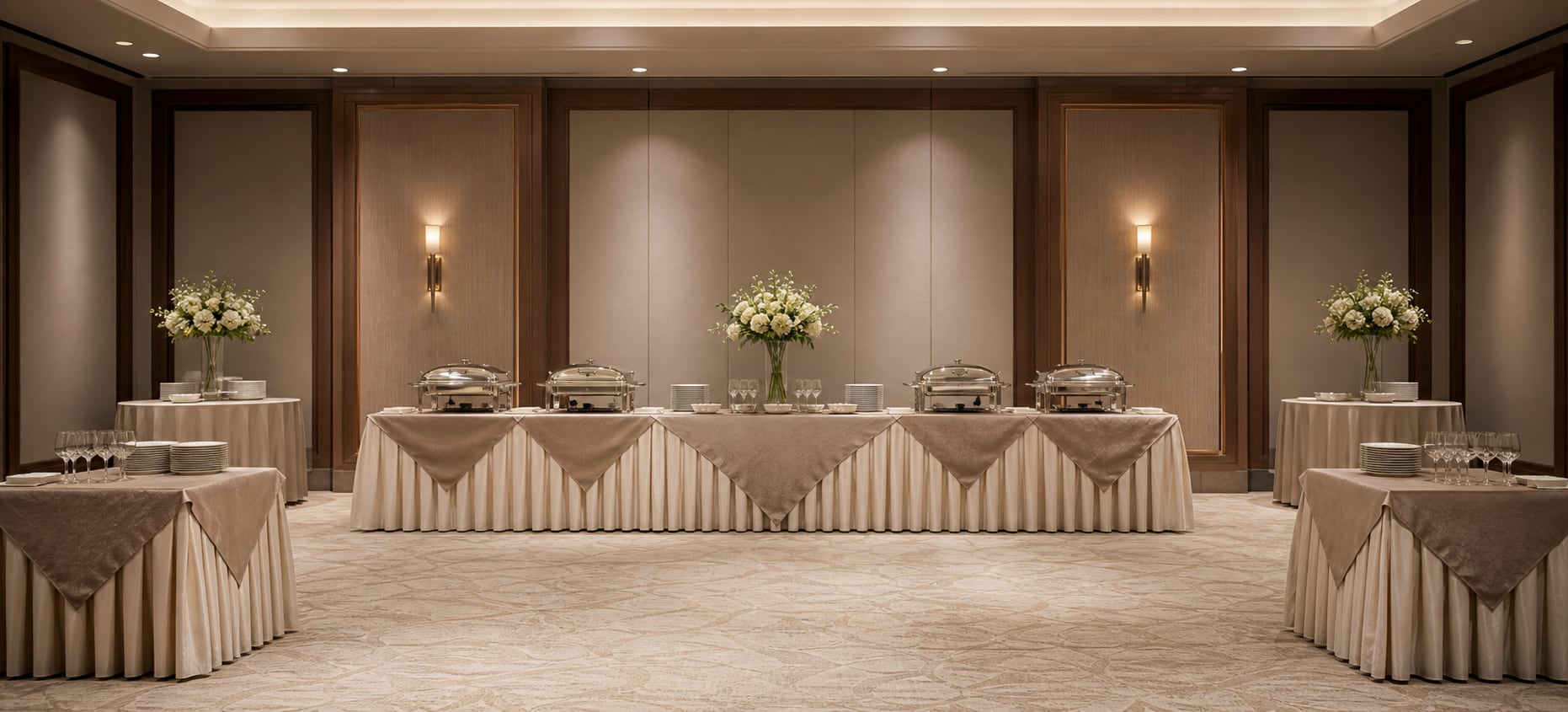
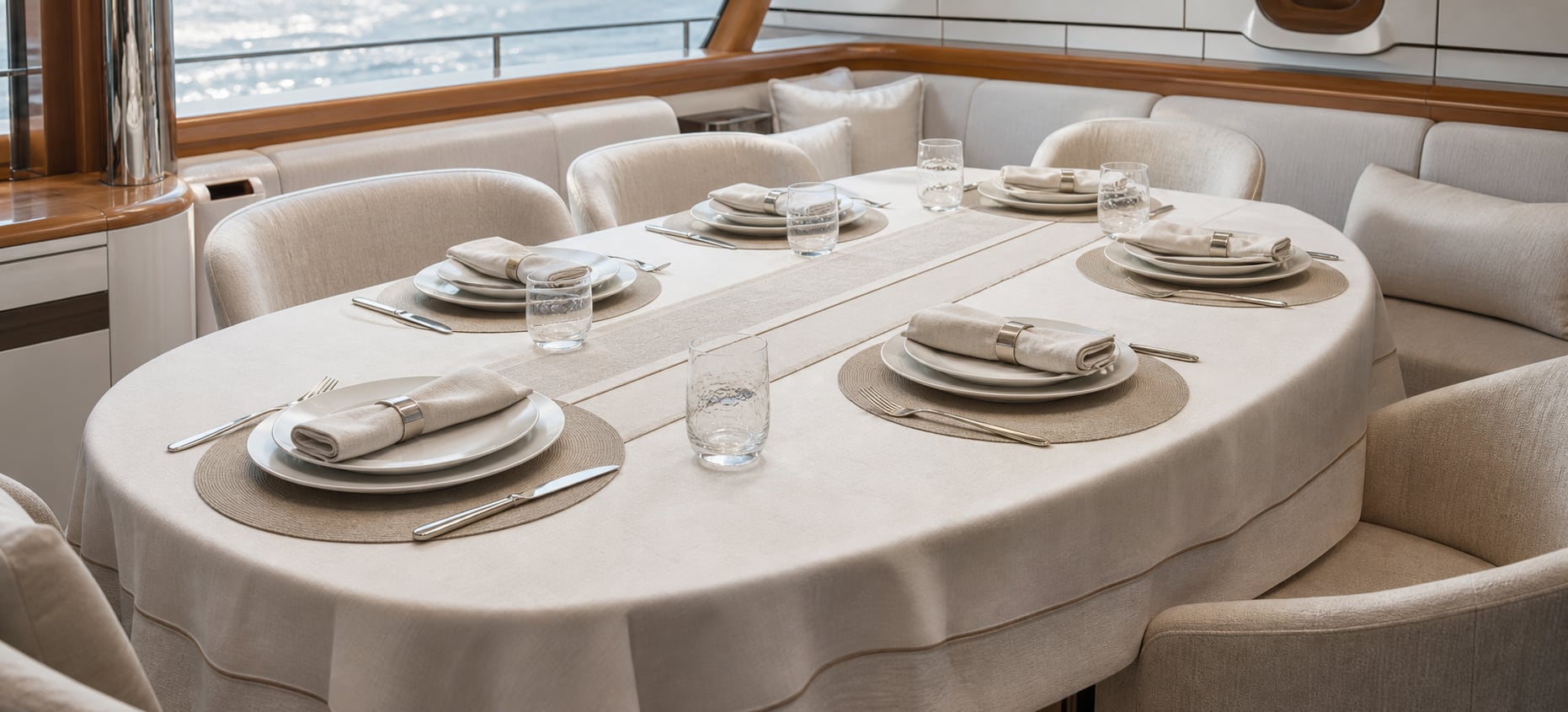
Custom tablecloth dimensions, napkin sizing, monograms, colour direction, banquet preparation, private-dining sets, and service-specific textile programs.
Discuss Dining Customisation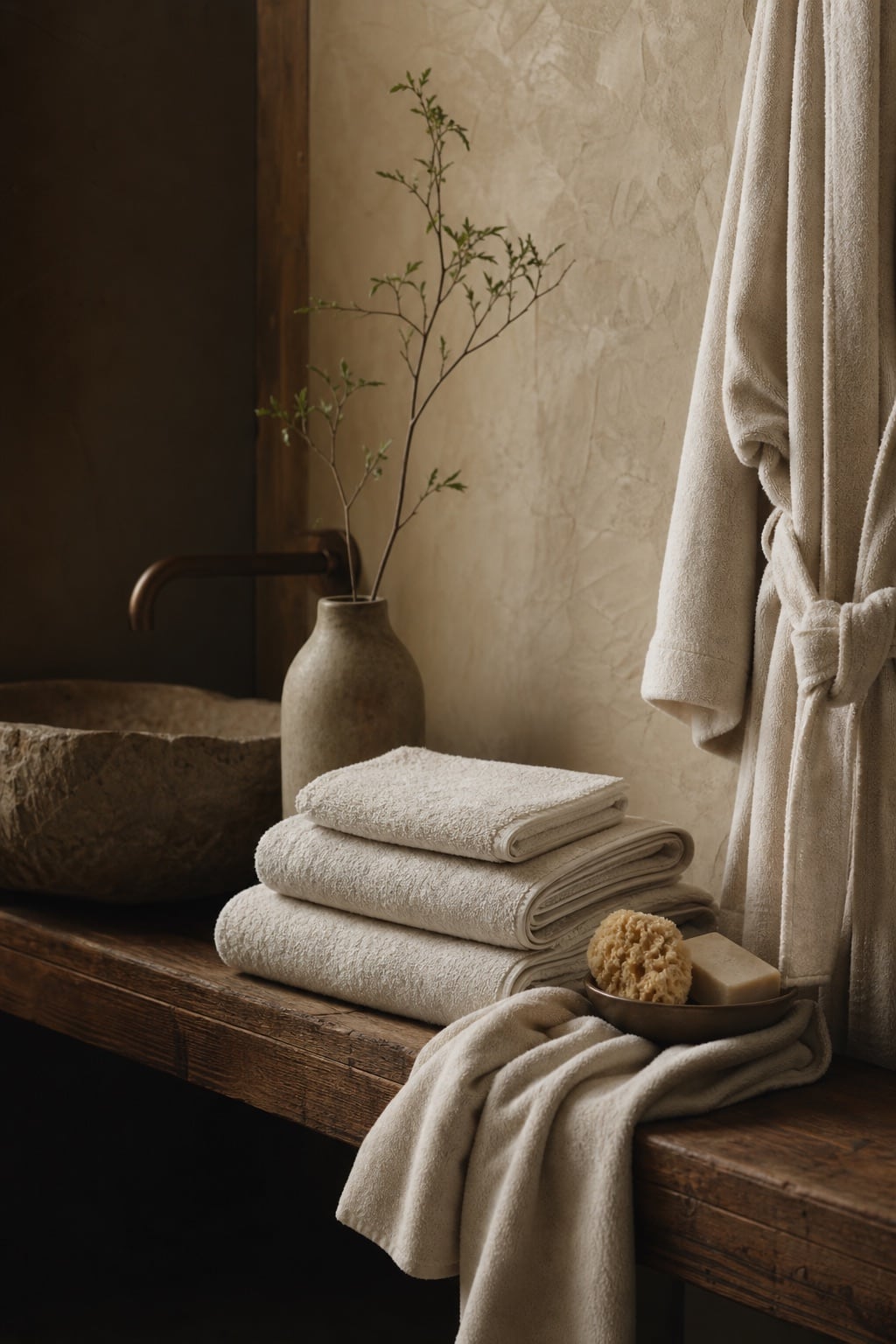
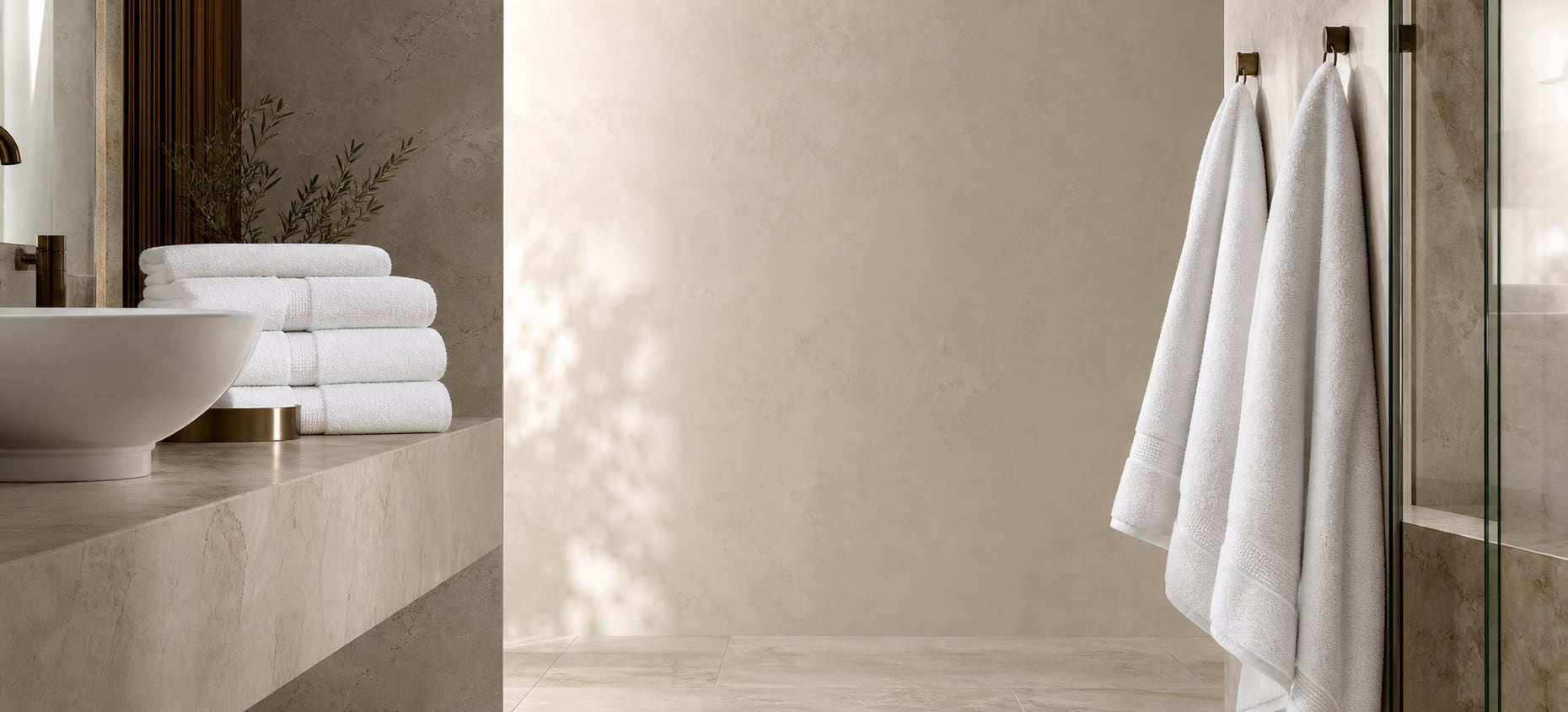
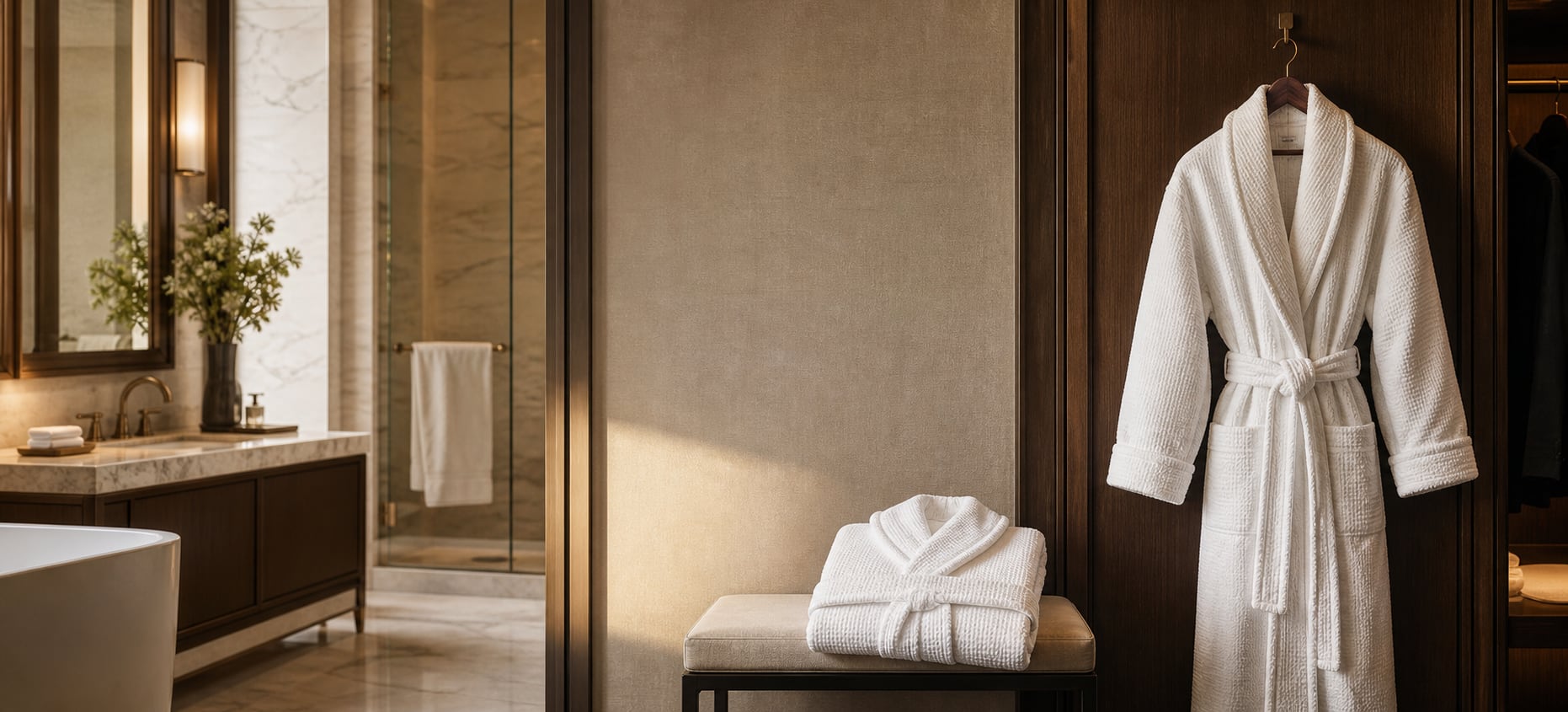
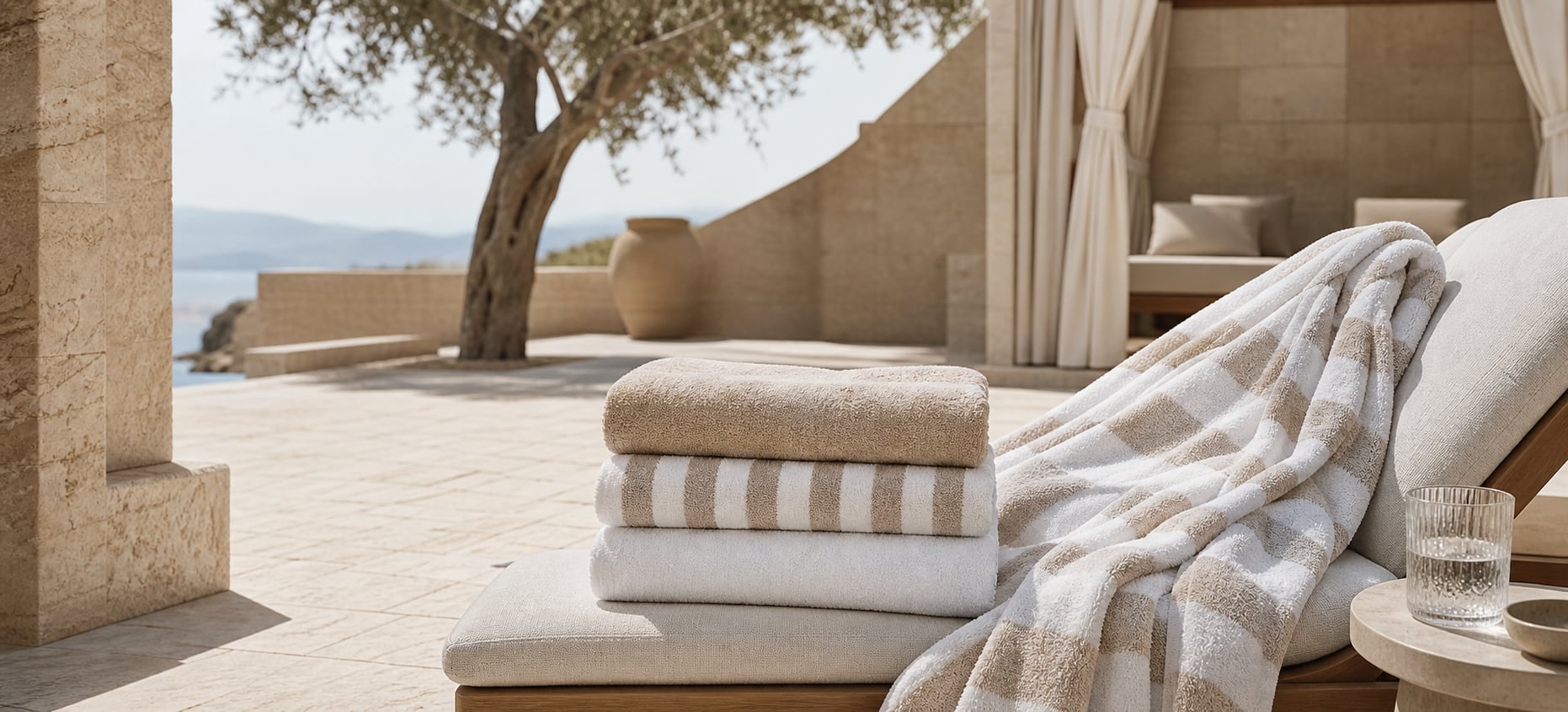
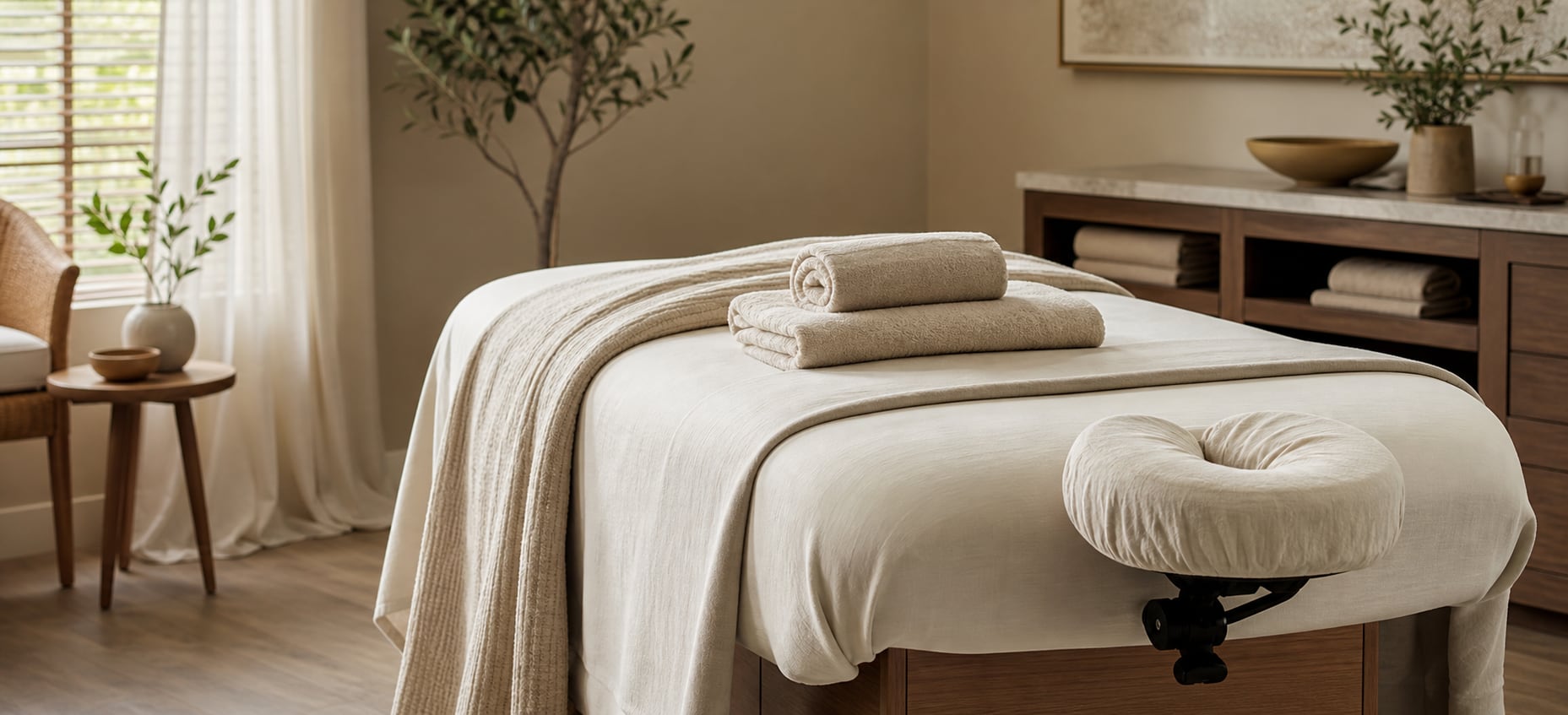
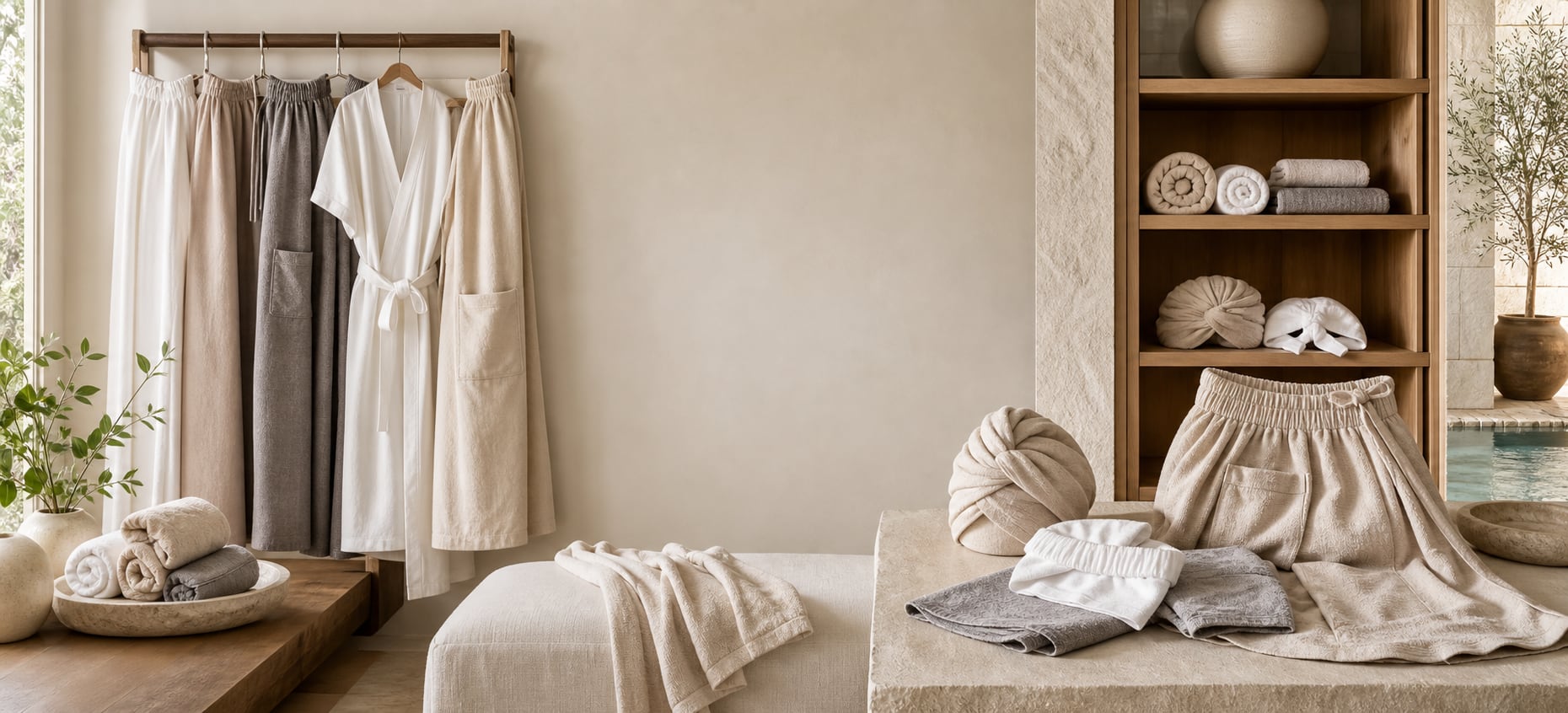
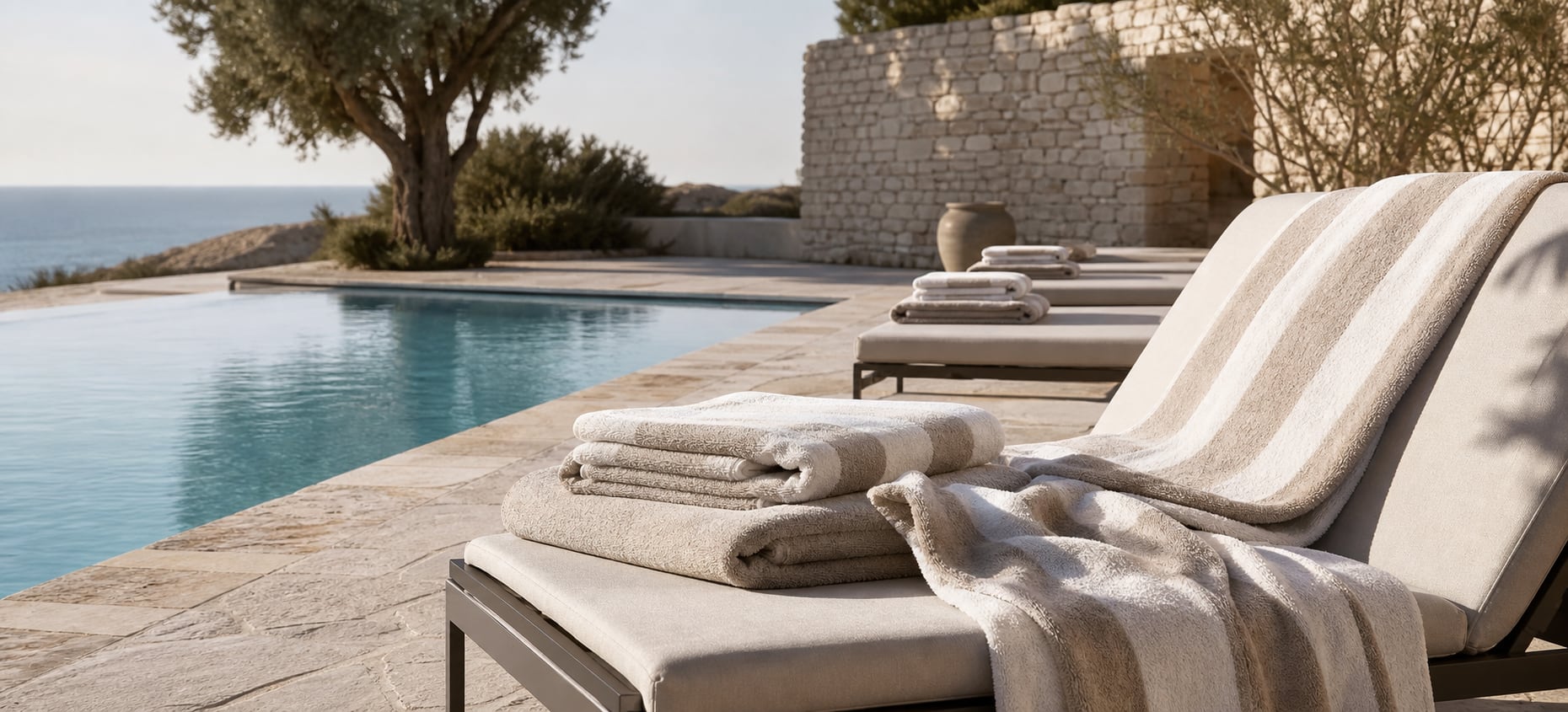
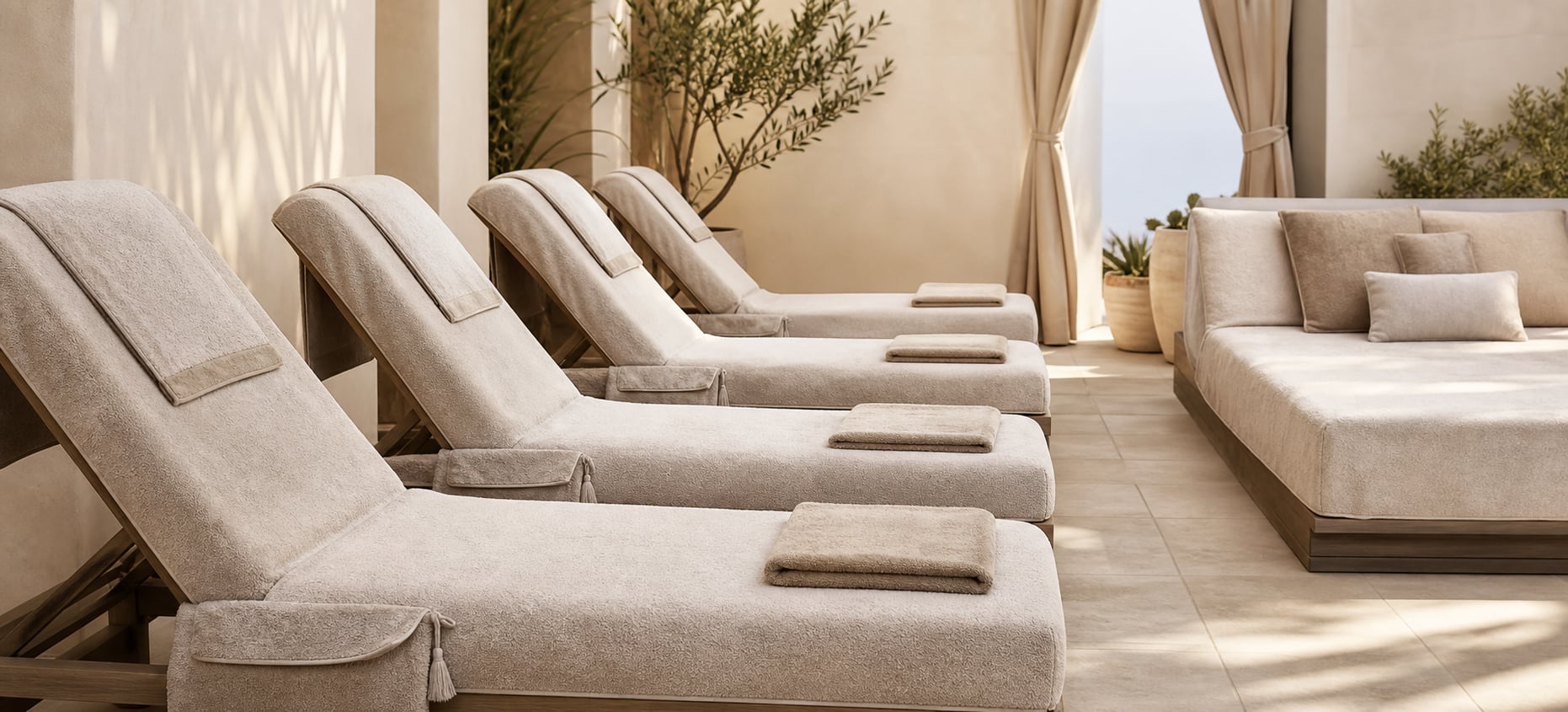
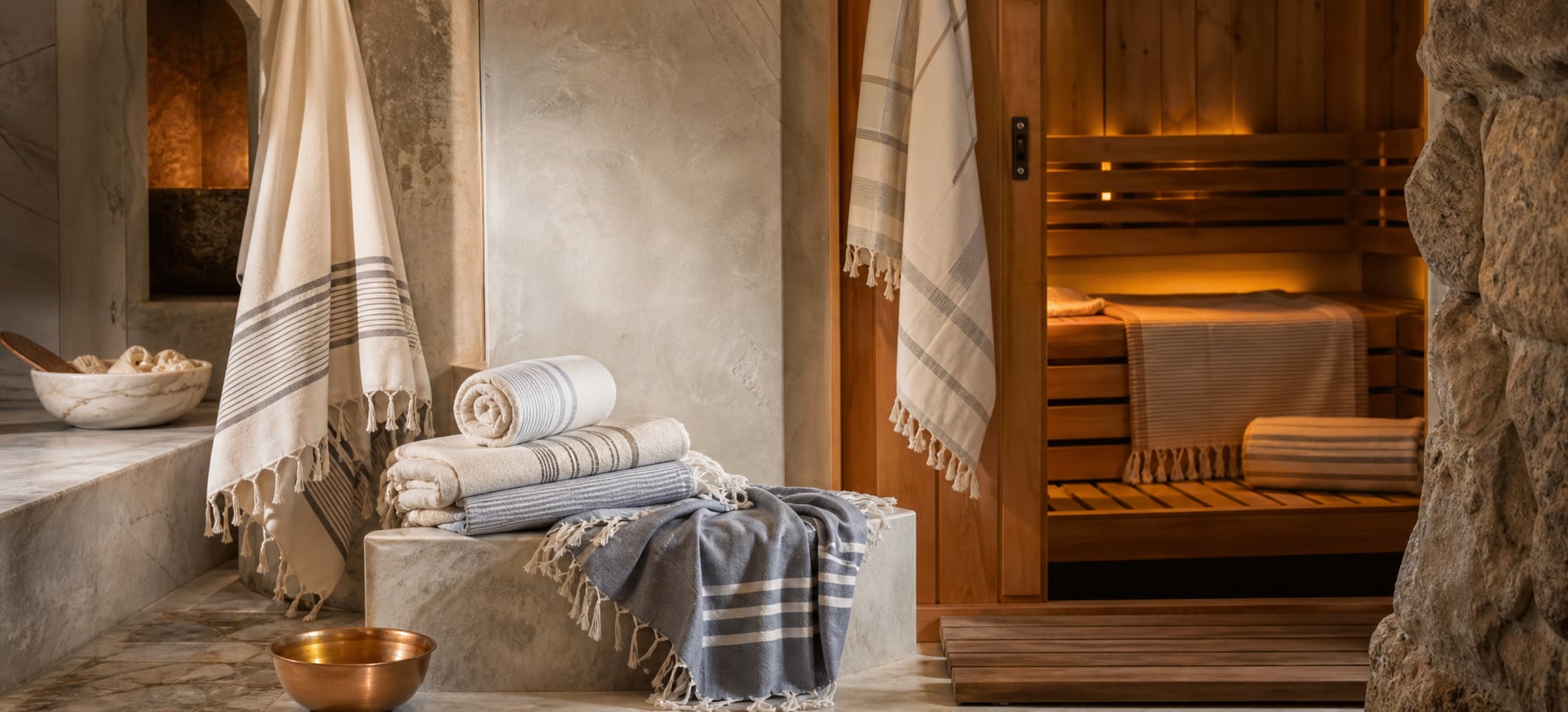
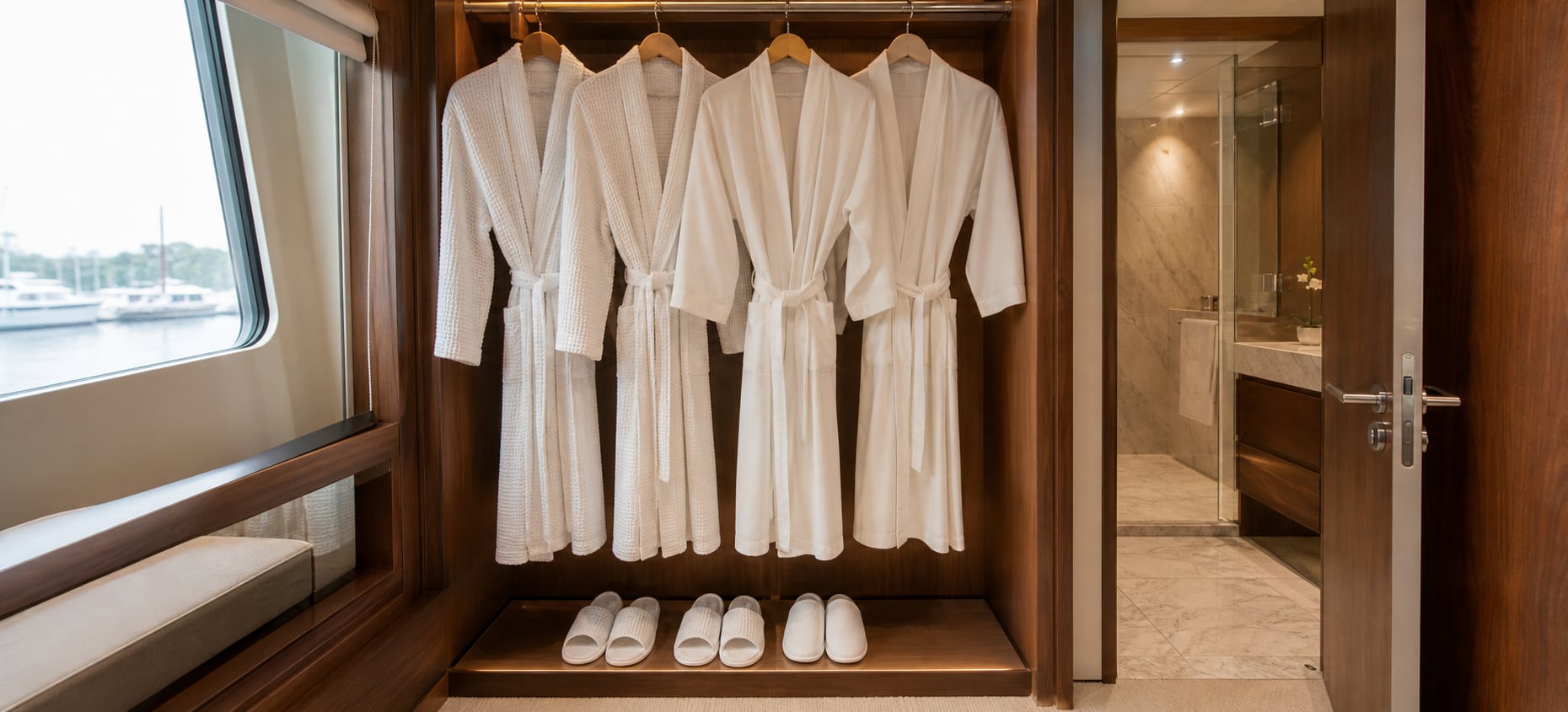
Towel weight direction, robe construction, embroidery, treatment sets, pool and beach programs, hammam and sauna directions, and zone-based preparation.
Discuss Wellness Customisation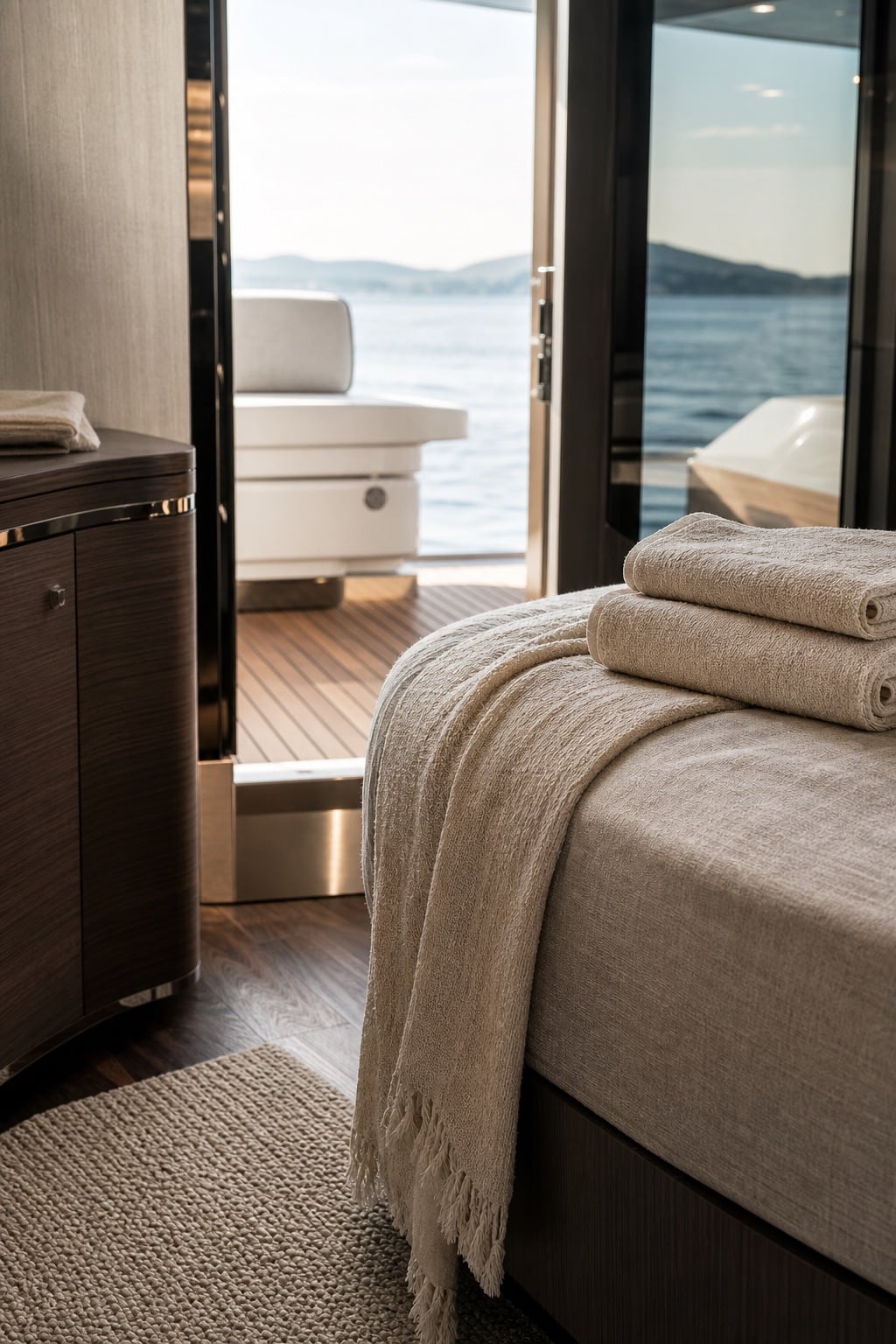
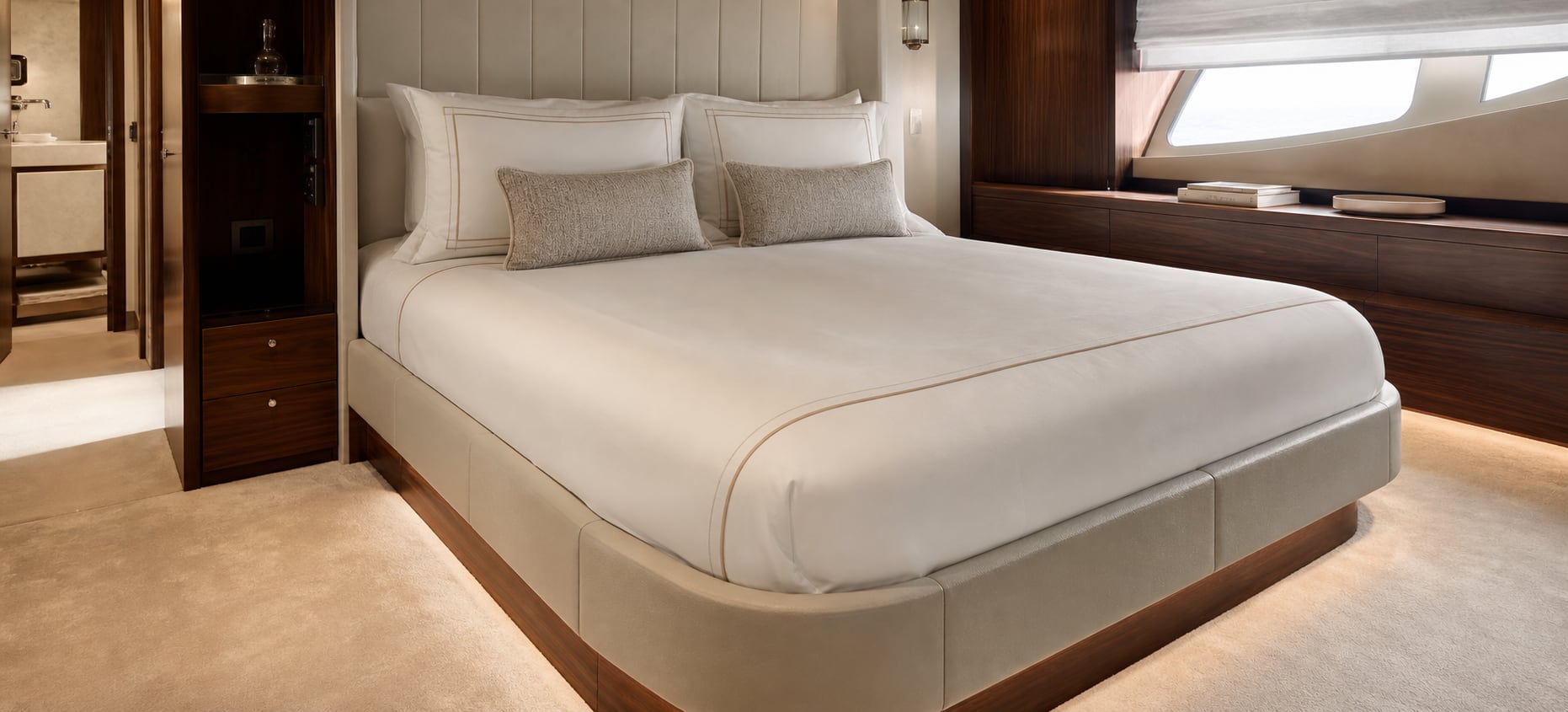
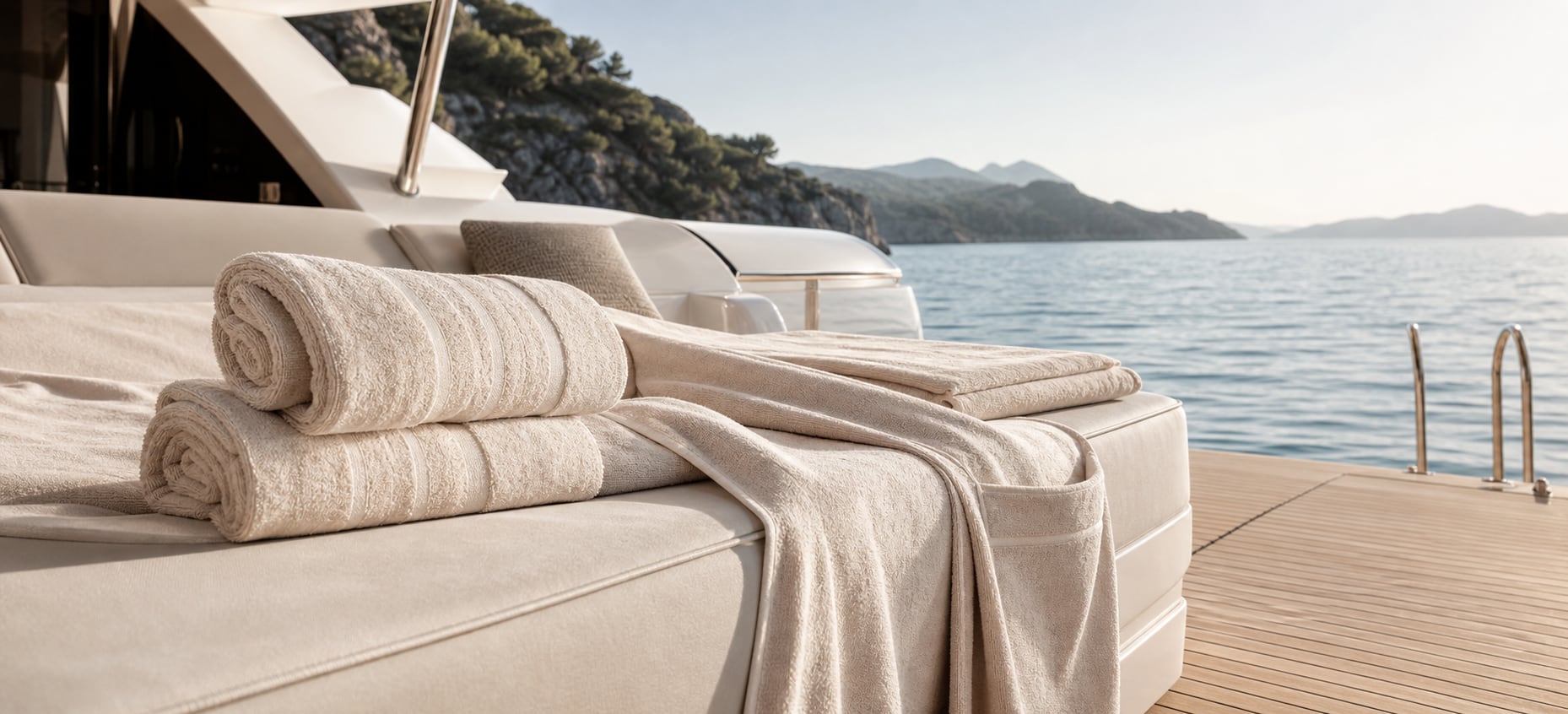
Custom cabin dimensions, owner and guest sets, monograms, cabin preparation, deck programs, bathroom sets, and onboard dining textiles.
Discuss Onboard CustomisationThe Studio process
A Studio project should remain clear and controlled. The exact path depends on the product, level of customisation, quantities, timing, and information available.
Products, setting, quantities, dimensions, use, care, timing, existing samples, and the desired identity are reviewed.
Relevant material, construction, sizing, colour, embroidery, labels, preparation, and presentation options are considered.
Where appropriate, dimensions, finishes, identity details, samples, and presentation are assessed before the direction is confirmed.
The approved direction can be organised for production, project grouping, delivery, and future reference.
Ready to share the requirement? Begin an Inquiry
Frequently Asked
Detailed answers about products, custom dimensions, embroidery, samples, approvals, quantities, timing, preparation, and repeat requirements.
Studio may consider selected bed linen, bedding, bath textiles, robes, dining linen, wellness textiles, decorative textiles, and products for life on board, subject to product, quantity, material, and technical review.
No. Studio is a custom direction within the Gencer product world. A project can retain standard products and make only the relevant details specific.
Yes. That is the preferred starting point: a defined product family or main product, followed by the dimensions, identity, construction, preparation, or presentation that need review.
Yes, where the scope supports it. Bed, bath, dining, wellness, decorative, and yacht textiles can be considered as a coordinated program.
Yes. A multi-category brief can be reviewed while keeping the different use, care, and operational requirements of each setting clear.
Custom dimensions may be considered where project scope, quantity, material, construction, and technical feasibility support them.
Existing samples, measurements, drawings, or templates can help establish the requirement. Gencer will advise what information is suitable for review.
Embroidery may be considered according to the product, design, placement, thread direction, quantity, and technical review.
Monograms may be developed where appropriate to the product and project. Artwork, scale, position, and production method require approval.
Yes, subject to material, quantity, production method, required tolerance, and technical feasibility.
The product, specification, dimensions, identity, use, care, quantities, timing, and available references are reviewed before an appropriate direction is proposed.
No. Samples, swatches, embroidery tests, or prototypes may be considered where appropriate; they are not automatic for every inquiry.
Relevant dimensions, materials, construction, colour, identity details, labels, grouping, and presentation should be confirmed according to the project.
Review methods may be considered where the product, scope, and production process support them.
Changes require review and may affect feasibility, price, quantities, approvals, or timing. A confirmed direction should not be assumed to include unlimited revisions.
Minimum quantities depend on product, material, construction, customisation, and production method and are confirmed only after review.
Product selection, material availability, dimensions, identity work, quantity, review cycles, production, and destination can all affect timing.
Urgent requirements can be reviewed, but feasibility and timing cannot be guaranteed before the product and scope are understood.
Where feasible, Gencer may identify a direction that retains more standard details, but no lead time is guaranteed until review.
Begin as soon as the product requirement, setting, approximate scale, and target timing are known. Early information creates more room for a considered review.
Recorded approved details can support future repeat requirements, subject to material and production continuity.
They may, where the original specification and suitable materials or production methods remain available.
Yes. An organised specification can help connect an opening program with later additions and replacement needs.
Yes. Cabin dimensions, owner and guest distinctions, deck use, storage, care, and onboard preparation can be reviewed for refit projects.
Selected products and their grouping can be documented at project level to make additions and related requirements easier to understand.
The Journal
Guidance on custom dimensions, embroidery, project specifications, product approval, and preparing hospitality textiles for real spaces.
Onboard textiles have to feel calm and precise while responding to movement, moisture, storage limits, sun exposure, and the compact rituals of life at sea.
Understanding absorbency, weight, softness, drying time, and operational consistency in professional wellness settings.
How proportion, texture, drape, and care influence the experience of a restaurant or hotel dining room.
A practical guide to fibre, weave, weight, durability, and guest comfort when specifying hotel bed linen.
Studio inquiry
Share the products, setting, and details that need to be considered. Gencer Textiles will review where Studio can add value and what the most appropriate next step should be.