








Task-specific formats
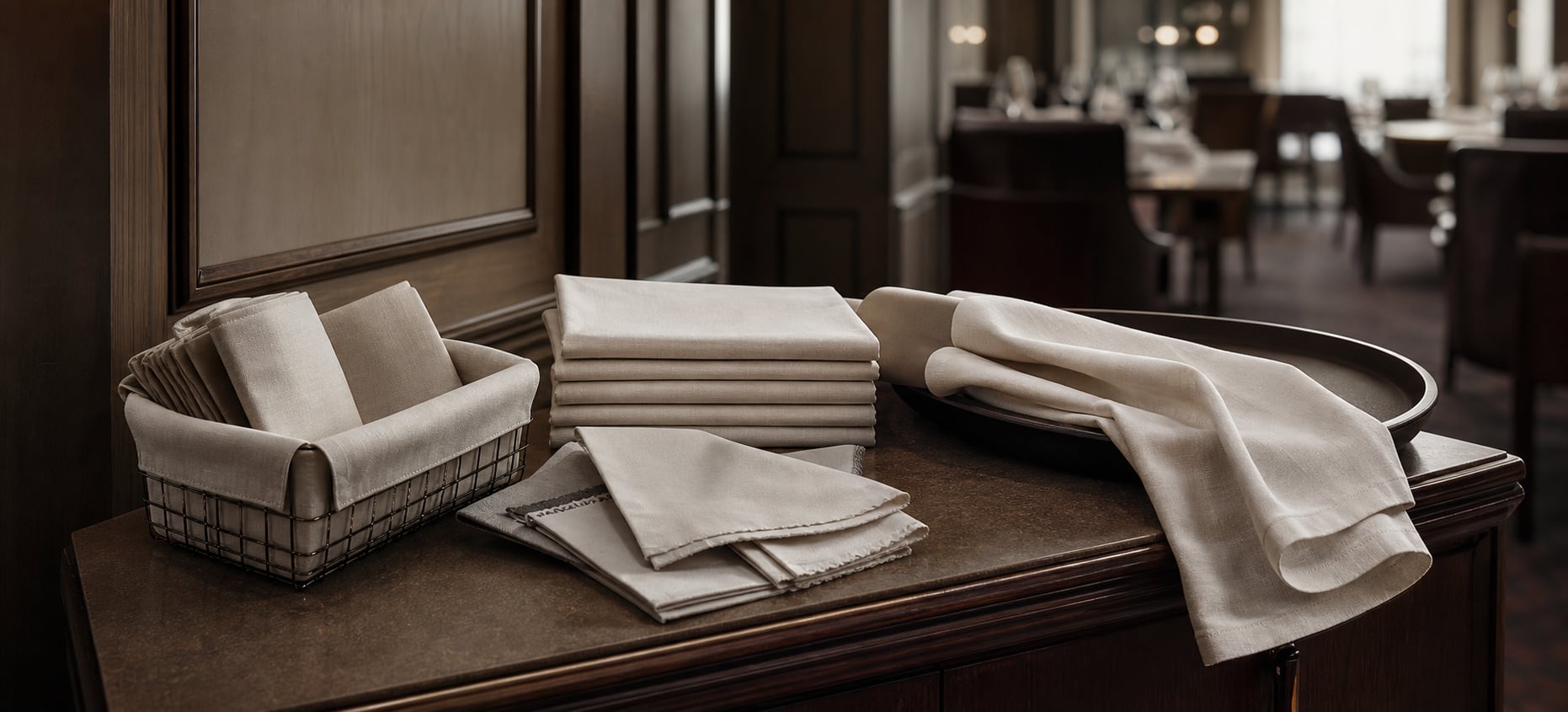
Different cloths can be defined for trays, glassware, bottles, bread and waiter service.
Dine Textiles
Gencer Textiles offers service textiles programs for restaurants, hotel dining, banquets, private dining, and hospitality service, with waiter cloths, service cloths, tray cloths, glass-polishing cloths, bottle cloths and related directions considered around use, care, presentation, and repeat requirements.
At a Glance
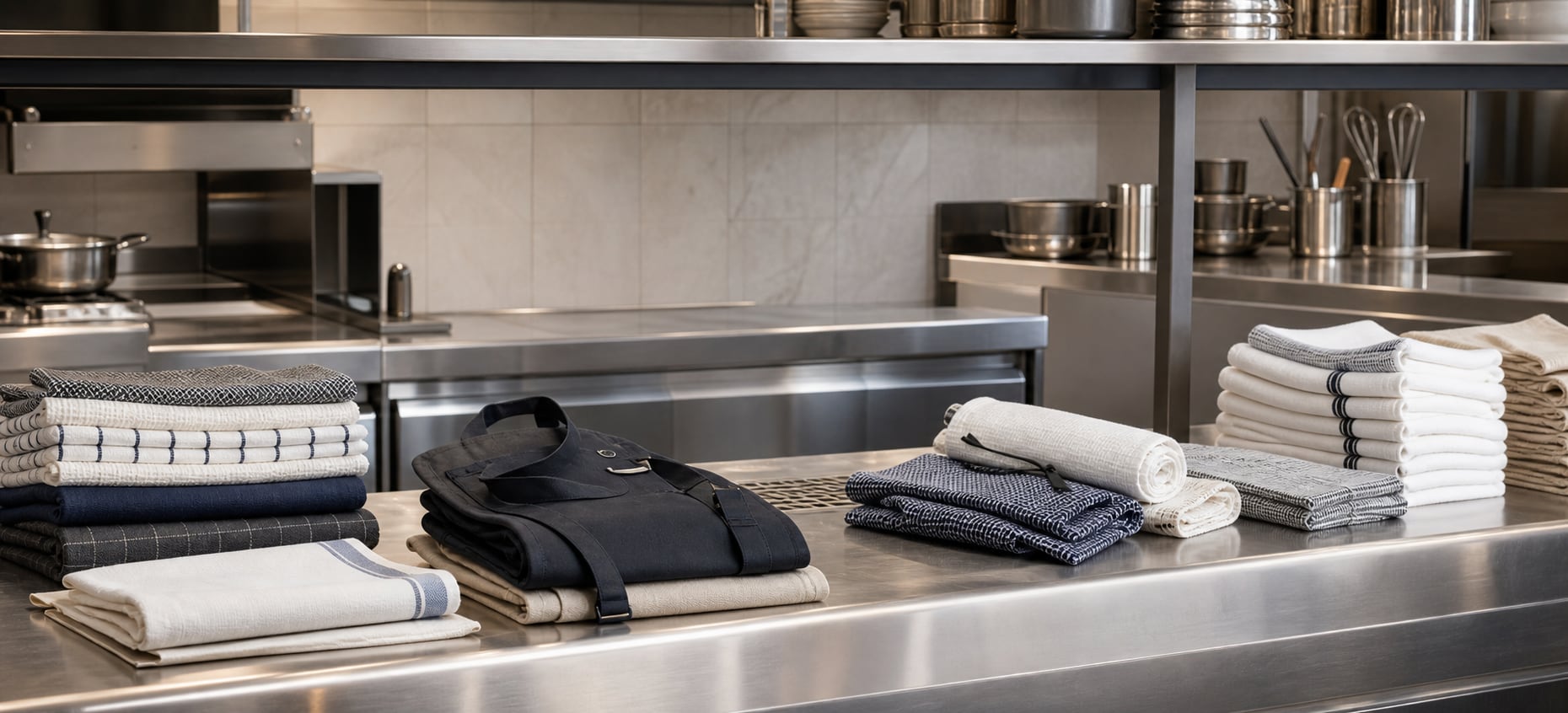
Operational textiles selected for waiter stations, tray service, glass care, bread service and daily handling.
Waiter cloths, tray cloths, glass-polishing cloths, bottle cloths, breadbasket liners and service napkins can be organised by task. Gencer Textiles reviews fibre and construction, size, absorbency, surface contact, laundering, colour coding and replacement frequency to support efficient front-of-house service. The approved specification can then support consistent service standards and planned repeat supply.
Different cloths can be defined for trays, glassware, bottles, bread and waiter service.
Absorbency, lint behaviour, hand feel and durability guide the selected construction.
Dimensions, colours and supported markings can help separate service tasks.
Wash frequency, drying, pressing and handling by service teams inform the specification.
Recorded formats support organised reserves and recurring operational supply.
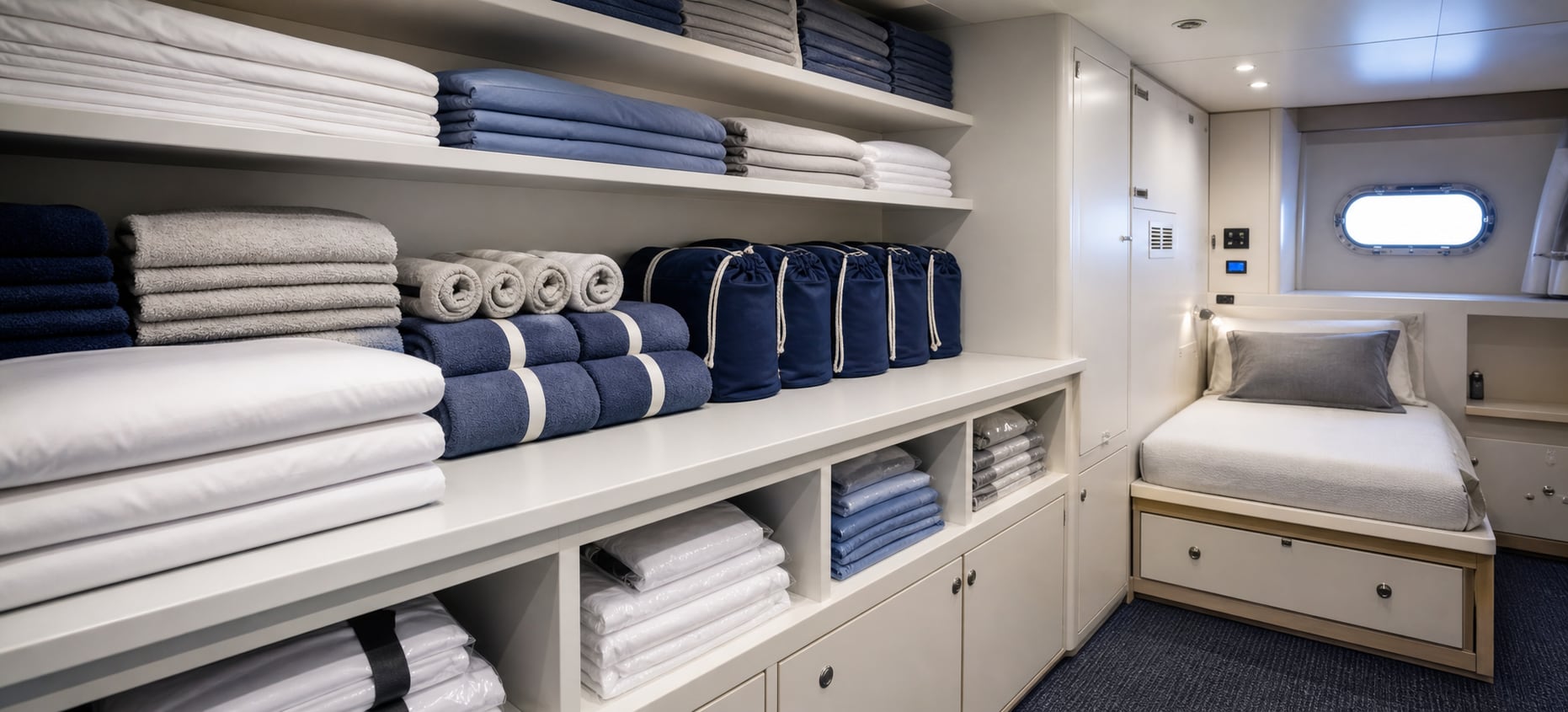
Textiles can be grouped and identified by outlet, station or service role to support organised preparation.
Available Types
Waiter cloths may be considered within the wider service textiles program according to use, dimensions, material, construction, quantity, and project requirements.
Service cloths may be considered within the wider service textiles program according to use, dimensions, material, construction, quantity, and project requirements.
Tray cloths may be considered within the wider service textiles program according to use, dimensions, material, construction, quantity, and project requirements.
Glass-polishing cloths may be considered within the wider service textiles program according to use, dimensions, material, construction, quantity, and project requirements.
Bottle cloths may be considered within the wider service textiles program according to use, dimensions, material, construction, quantity, and project requirements.
Wine-service cloths may be considered within the wider service textiles program according to use, dimensions, material, construction, quantity, and project requirements.
Breadbasket liners may be considered within the wider service textiles program according to use, dimensions, material, construction, quantity, and project requirements.
Bread cloths may be considered within the wider service textiles program according to use, dimensions, material, construction, quantity, and project requirements.
Service napkins may be considered within the wider service textiles program according to use, dimensions, material, construction, quantity, and project requirements.
Where It Is Used
For spaces with their own standard.
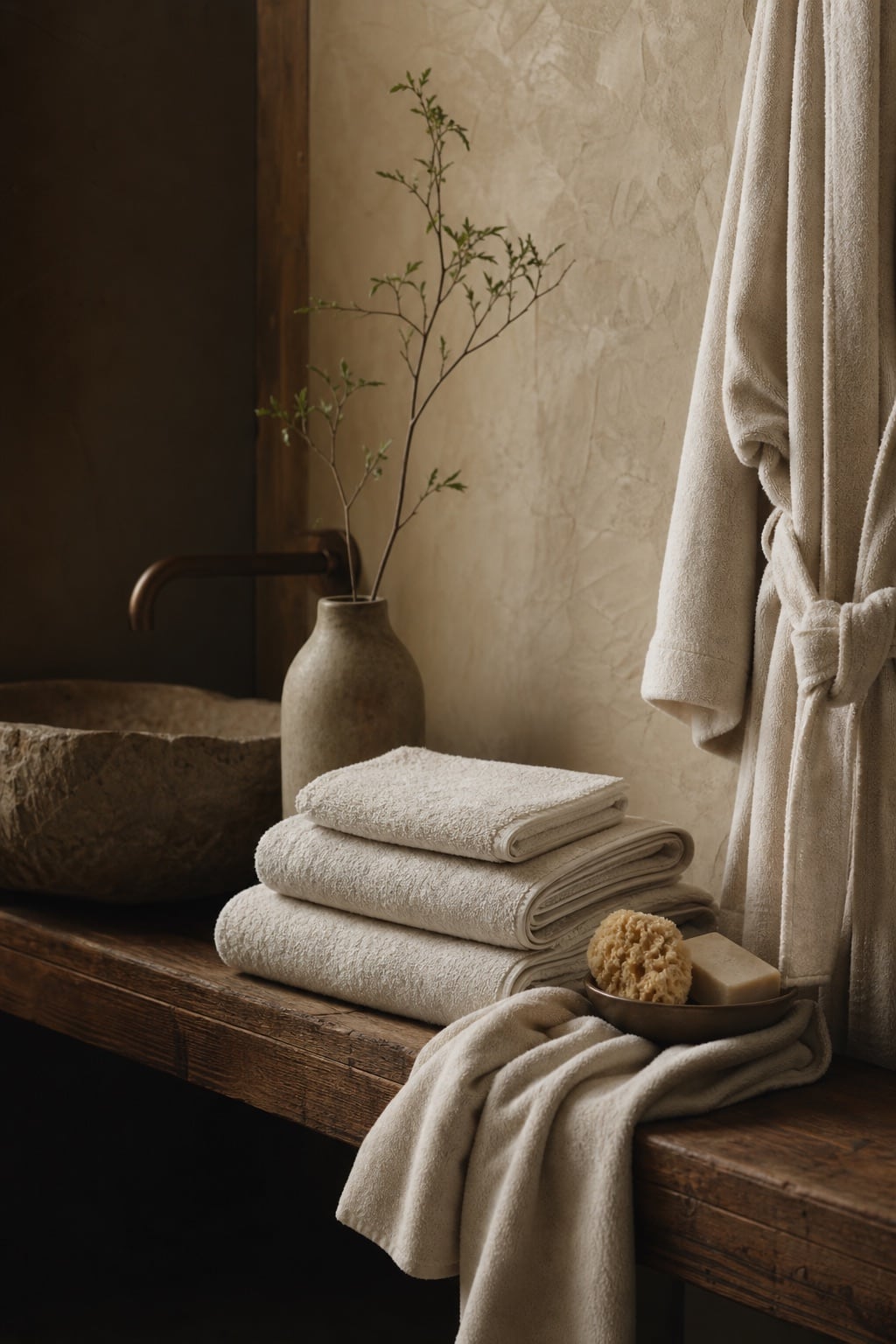
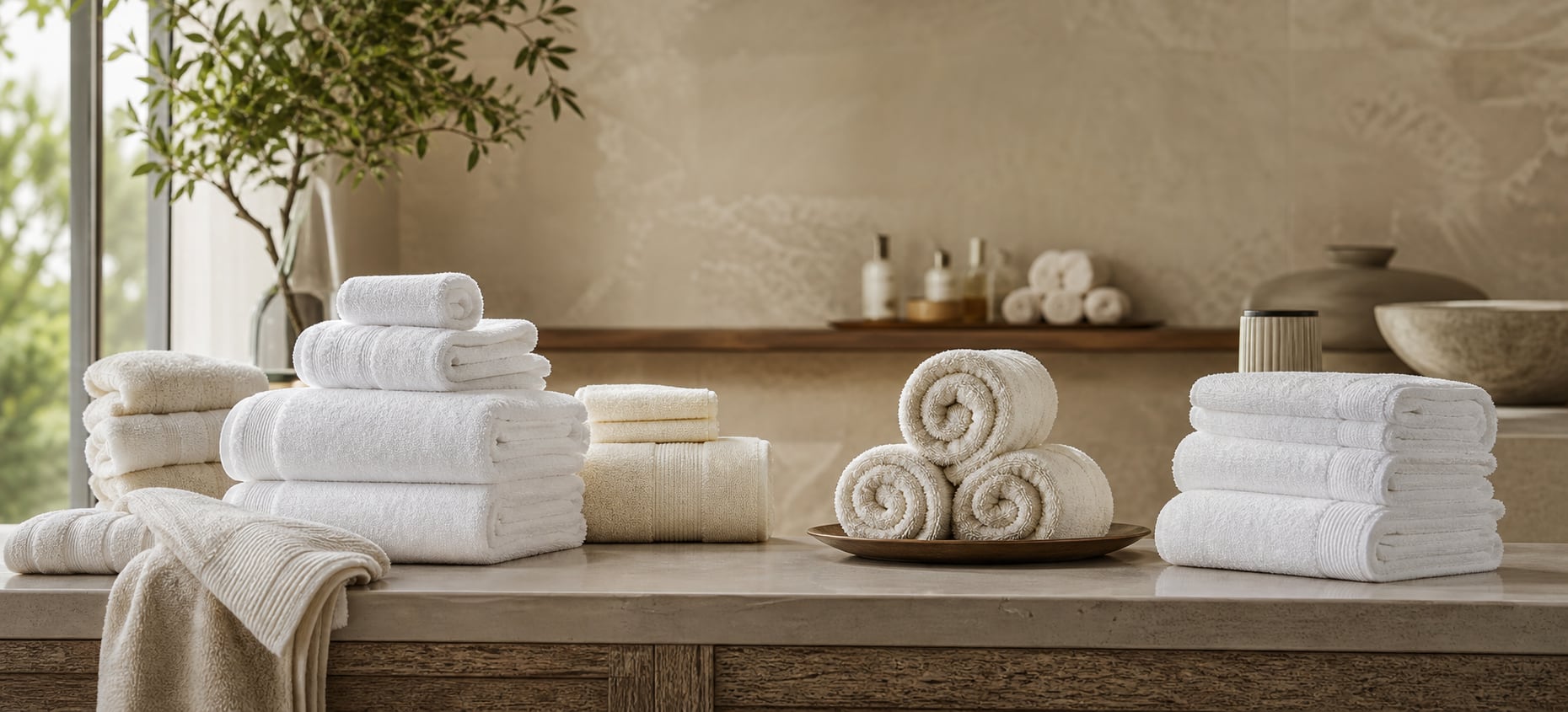
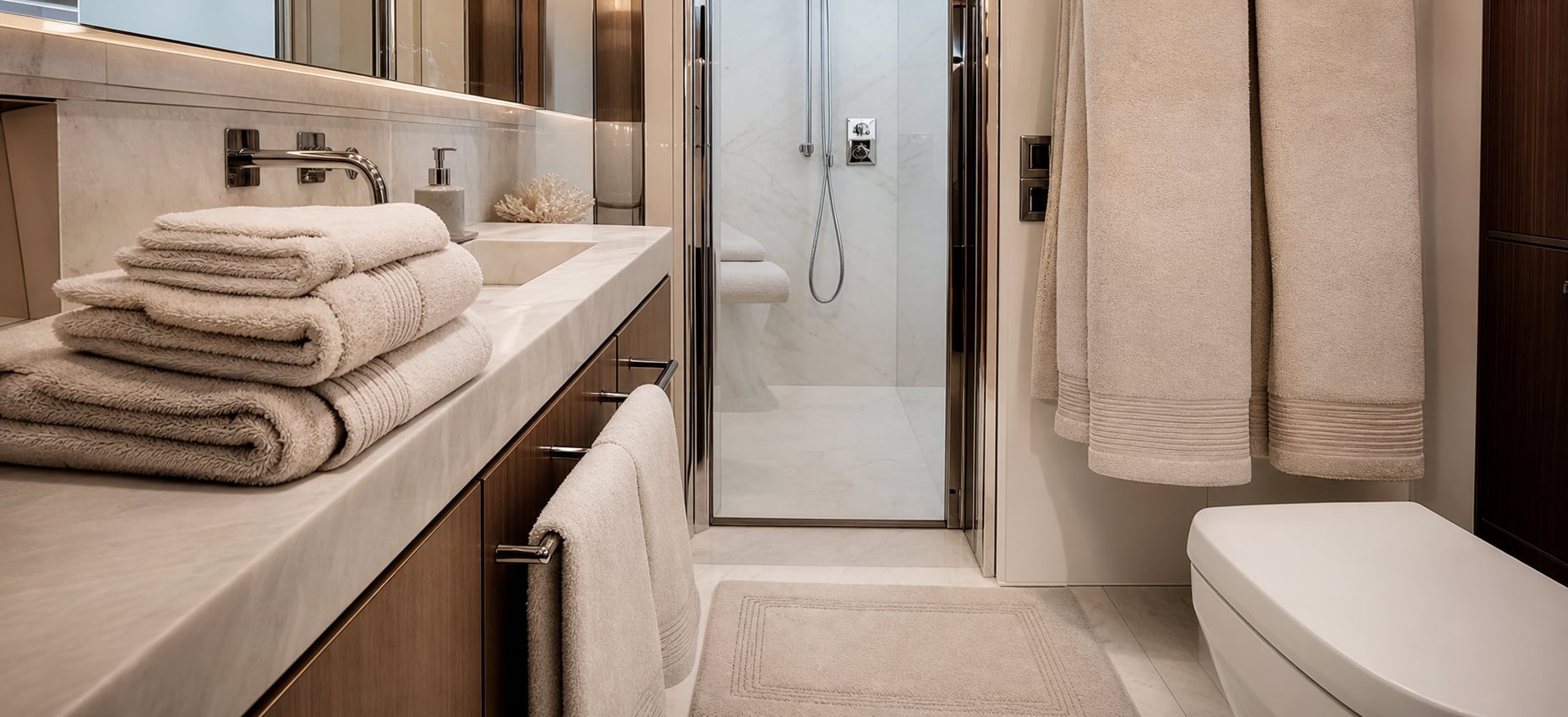
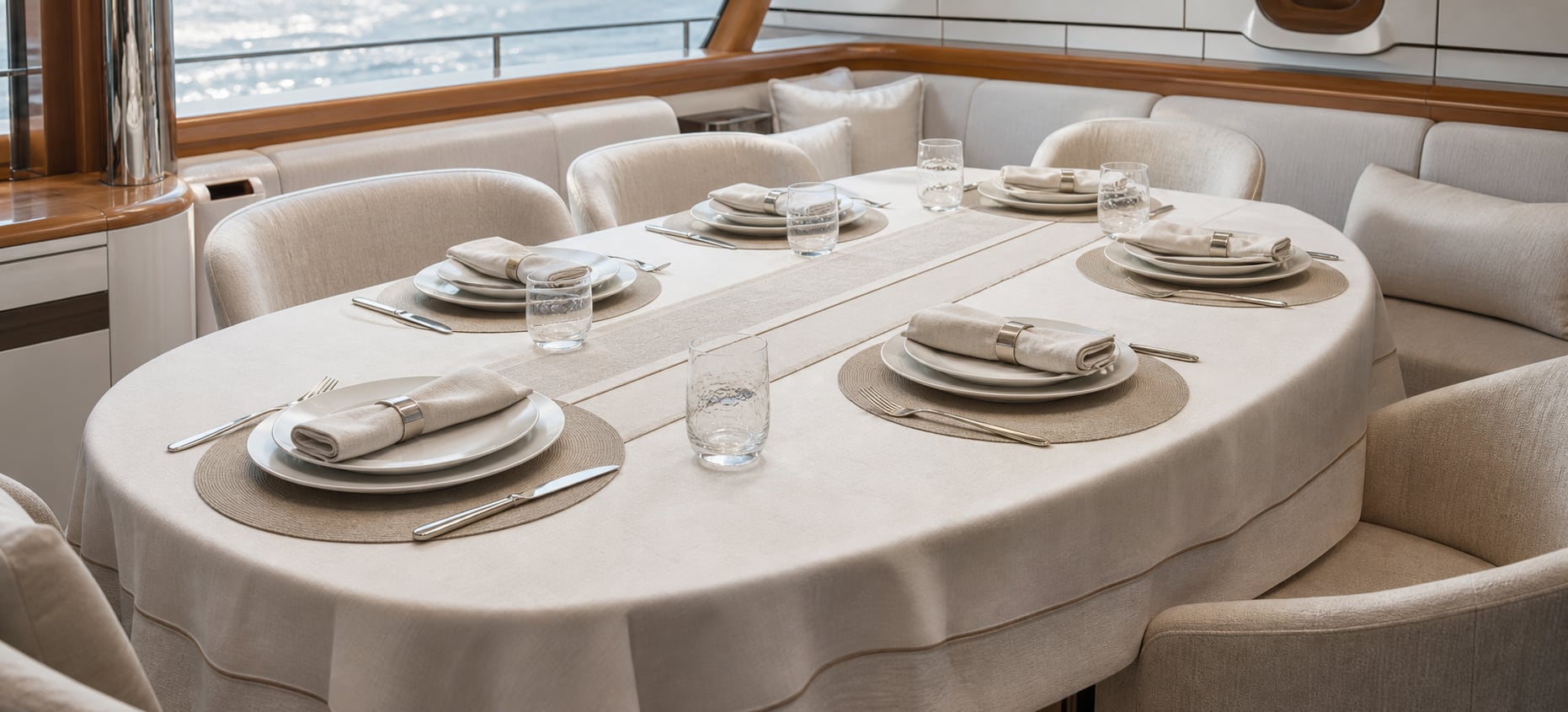
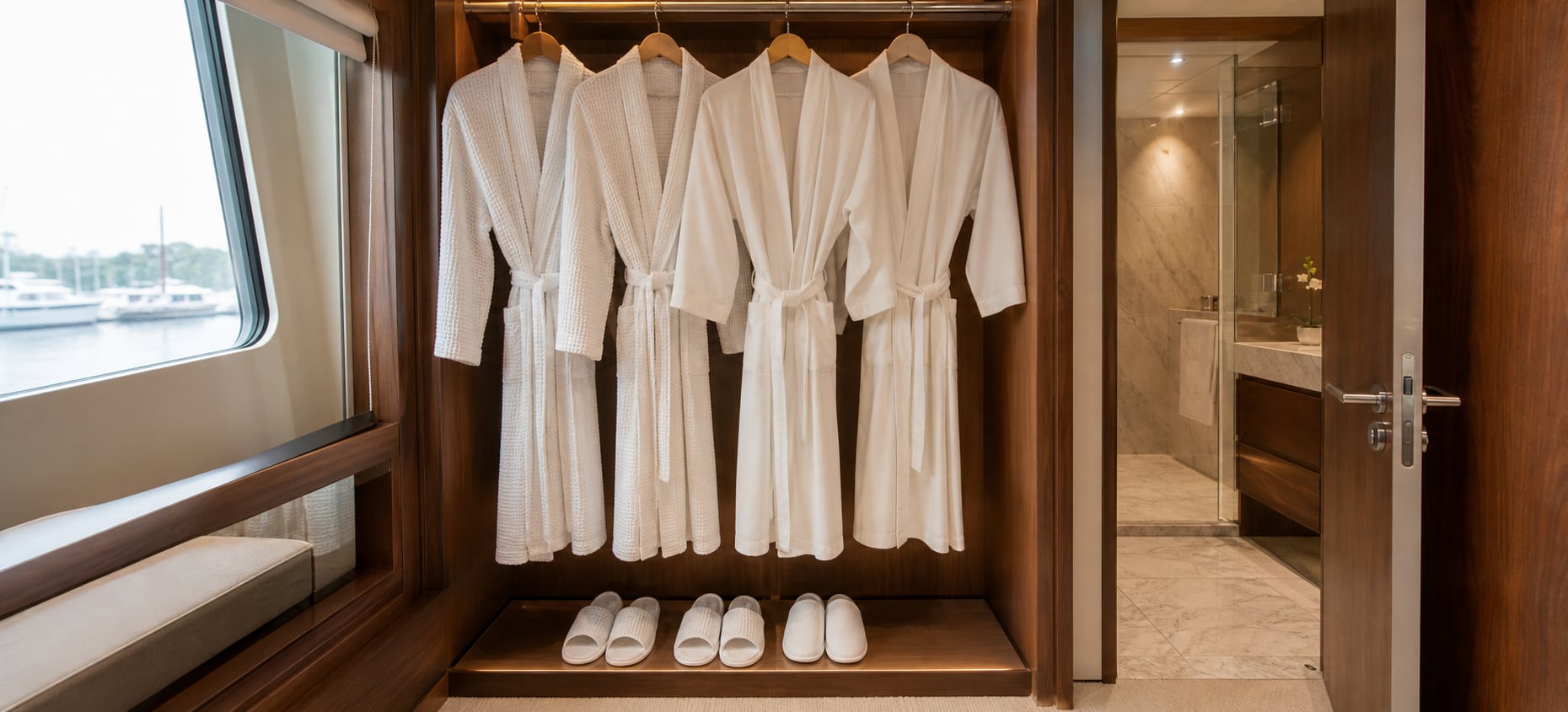
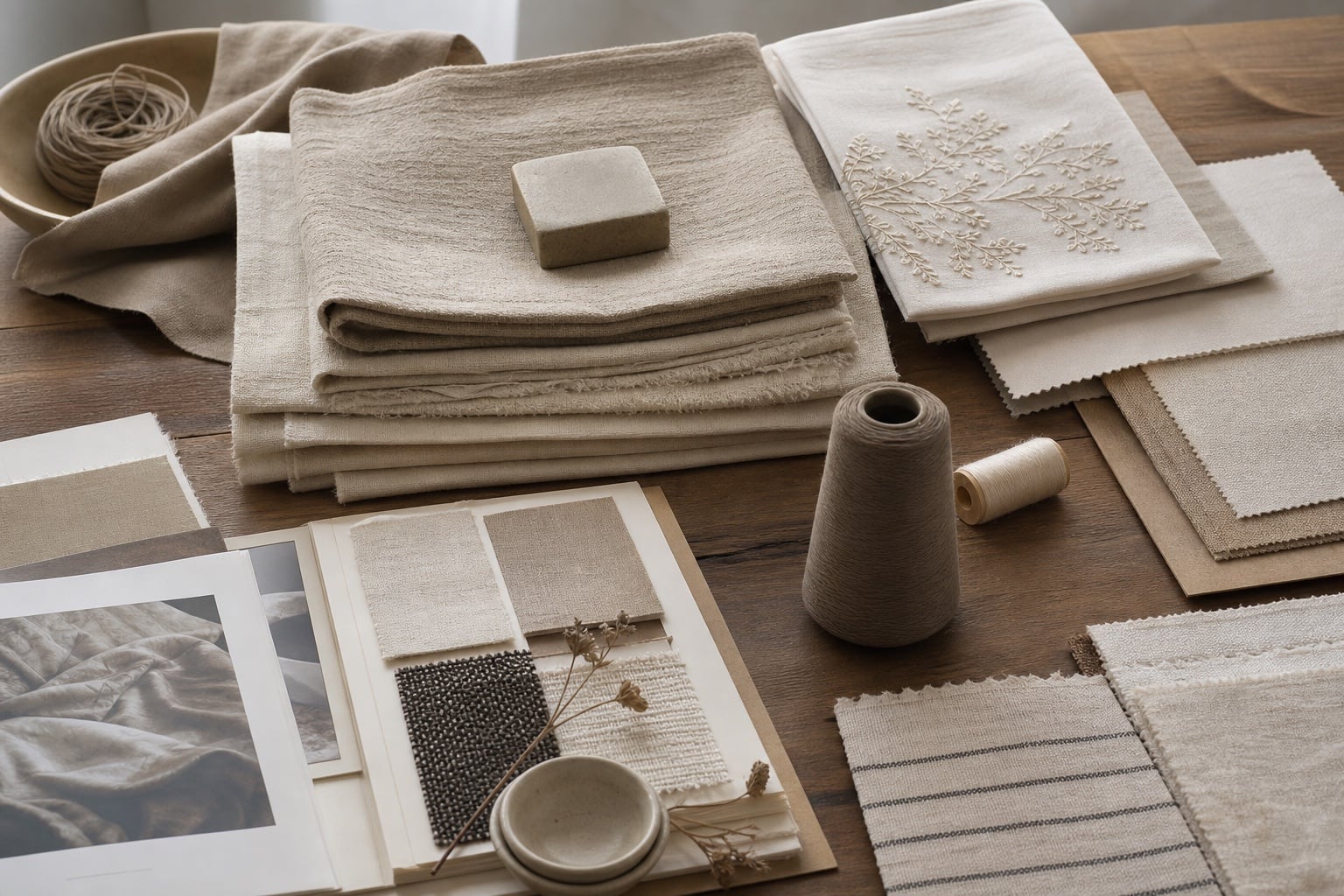
Some hospitality details need to be made specific: the size of a table, the weight of a towel, the embroidery on a robe, the way a set is prepared for every room or cabin.
Studio exists for those details.
Frequently Asked
Practical answers about service textiles, project use, available types, Studio options, and repeat requirements.
The Service Textiles direction includes Waiter cloths, Service cloths, Tray cloths, Glass-polishing cloths, Bottle cloths, Wine-service cloths, together with the other available types listed on this page. The relevant combination depends on the project and intended professional use.
Formats differ in purpose, proportions, handling, presentation, and where they are used. Gencer reviews the required setting and operating approach before narrowing the direction to the most relevant options.
Yes. A project may combine several available types when each has a clear role. The selection should remain organised by area, room, service, or user group so ordering and future additions are easy to understand.
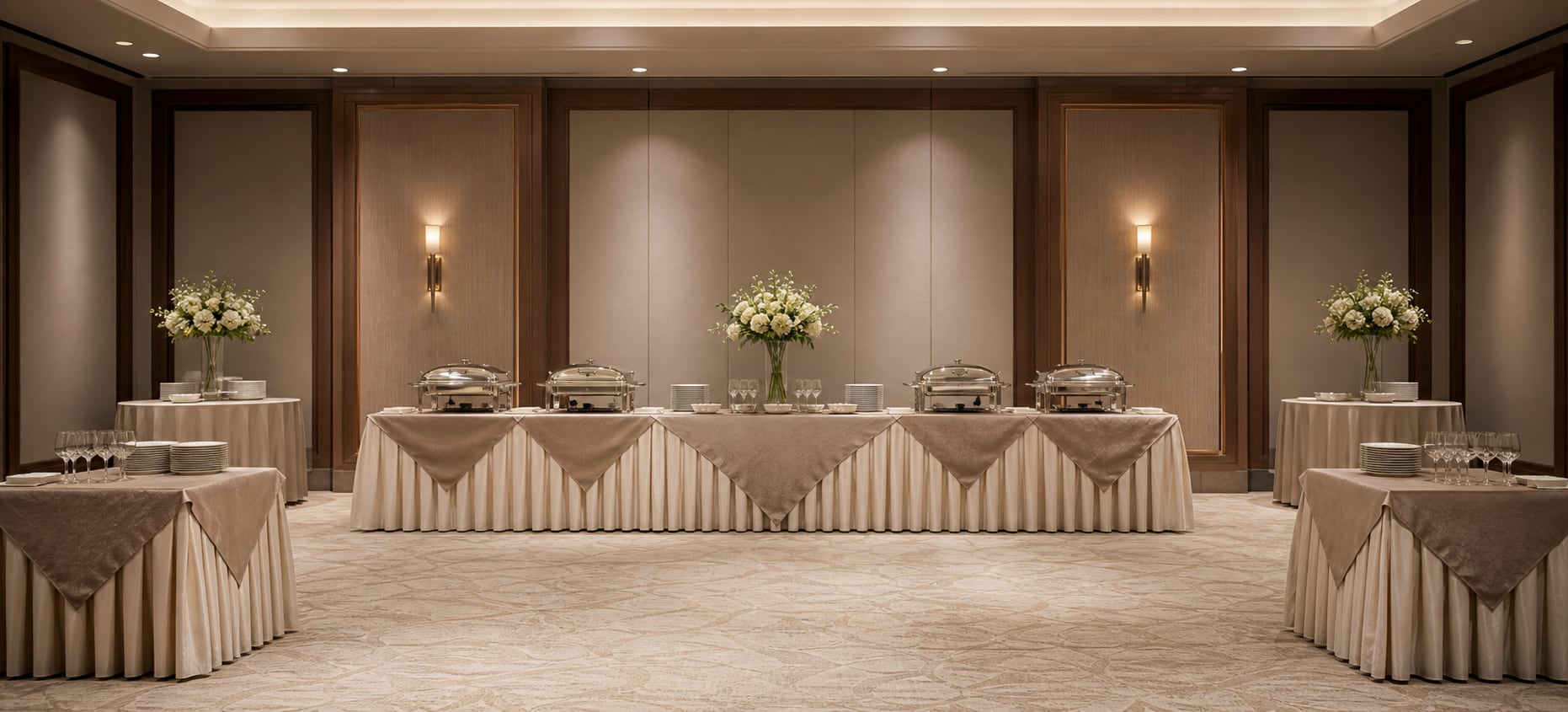
Service Textiles may be used across Waiter Stations, Tray Service, Wine Service, Bread Service, Conference Dining, with further relevant application zones shown on this page. The right direction depends on the actual property or vessel program.
Yes. Different room categories, service formats, guest areas, or operational teams may need distinct directions while still belonging to one coordinated project program.
Start with the service style and dining setting, then define how service textiles will be used during a normal operating day. Decide which formats belong in the program; this may include waiter cloths, service cloths, tray cloths, or a more focused selection. Consider expected turnover and handling so the direction remains practical for the team responsible for preparation and replacement. The aim is a clear, useful direction rather than a single specification applied everywhere.
Selected dimensions, identity details, preparation, packaging, and coordinated-set requirements may be reviewed through Gencer Studio. Feasibility depends on the product, quantity, timing, and project scope.
Minimum quantities depend on the selected product type, production method, customisation, material availability, and project scope. They are reviewed against the inquiry rather than presented as one universal number.
Useful starting information includes the project type, intended application zones, required product types, estimated quantities, destination, target timing, and any existing references or approved standards.
Repeat requirements can be reviewed against the recorded order and approved direction. Current availability and production conditions still need to be confirmed when the repeat requirement is raised.
Journal
Guidance on tablecloths, napkins, sizing, service formats, laundering, banquets, and dining presentation.
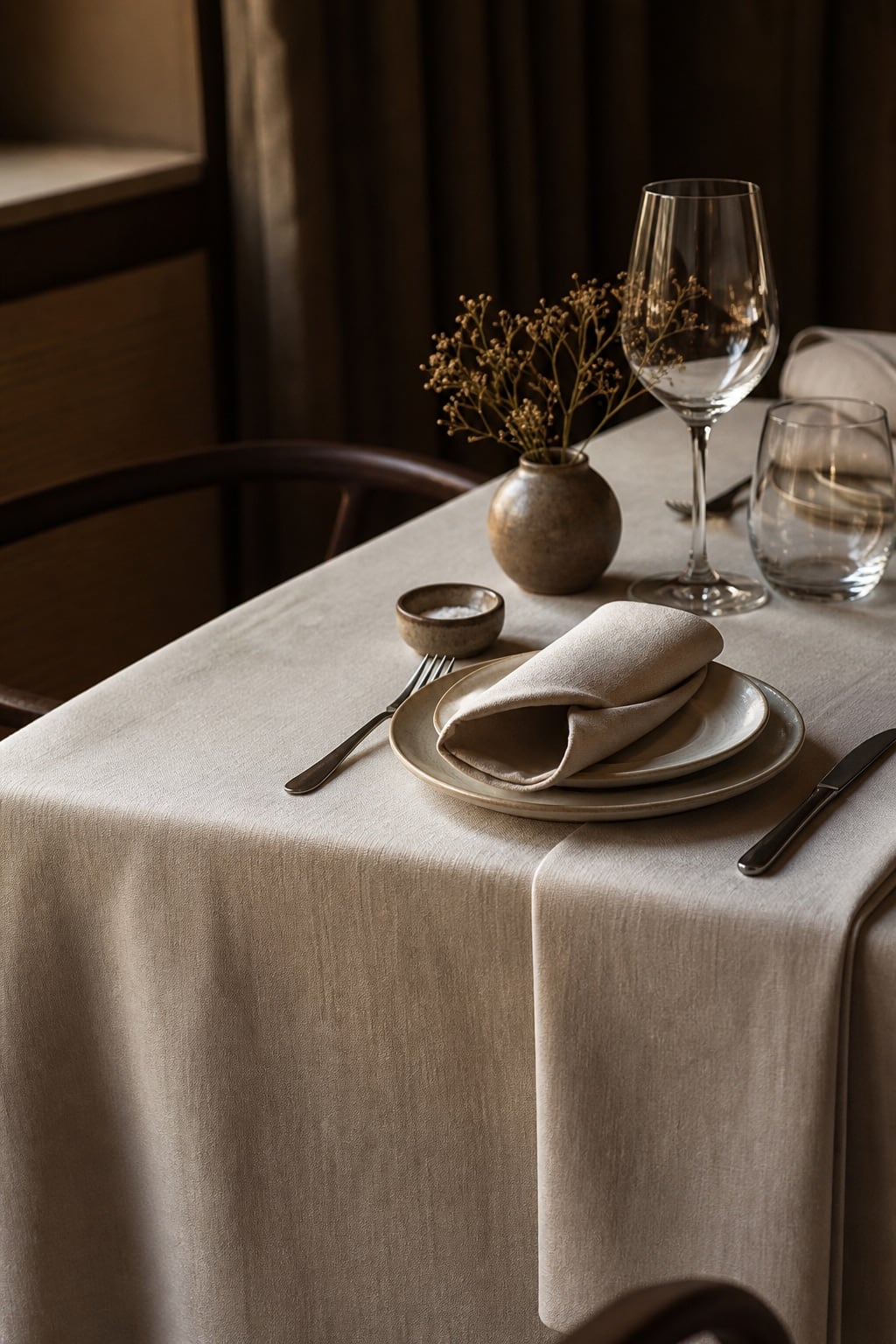
Table linen remains one of the most immediate ways a dining room communicates care. It shapes proportion, sound, texture, and the transition between service and memory.
Product Inquiry
Share your service setting, table or format requirements, quantities, project location and care process.